Table of Contents
Look, if you’re googling how many cards in a tarot deck, you probably want a simple answer. It’s 78. Standard tarot deck has 78 cards. That’s 22 Major Arcana and 56 Minor Arcana. Done.
Except it’s not that simple, because not every deck sticks to 78. I learnt this the hard way when I opened my Modern Witch Tarot and found two Ten of Swords cards staring back at me. One of them literally said “Everything is Fine” across the image. For a second I thought it was a printing error. Then I came across the Star Spinner Tarot with four different Lovers cards, each showing different relationship pairings. Not long after that, I found The Fountain Tarot, which included an entirely new Major Arcana card called The Fountain that wasn’t in any other deck I owned.
So yeah, the standard answer to how many cards are in a tarot deck is 78. But some decks have 79, some have 81, some have 99 if you count expansion packs, and a few even hit 100. This post breaks down the standard 78 card structure, shows you which popular decks change that number and why, and helps you figure out what to expect before you buy or start reading with a deck.
The Standard Answer: 78 Cards
What’s Actually in a Standard Tarot Deck
A standard tarot deck contains 78 cards. That breaks down to 22 Major Arcana and 56 Minor Arcana. When people talk about how many cards in a standard tarot deck, this is the number they mean.
The Major Arcana are the big hitters. These are your life themes, your turning points, the cards that show up when something significant is happening. The Minor Arcana are the everyday details, the practical stuff, the how and when and where of what’s actually going on in your life right now.
This 78-card structure is what most guidebooks reference, what most courses teach, and what you’ll find in the vast majority of decks. It’s based on the traditional tarot structure that’s been around for centuries. Some decks rename things or change the imagery, but if they stick to 78 cards with this basic breakdown, they’re working within the standard system.
The 22 Major Arcana
There are 22 Major Arcana cards in a tarot deck, running from The Fool (0) through The World (21). If you’ve ever searched how many major arcana tarot cards are there, that’s your answer. Twenty-two.
These are the cards people tend to recognise even if they’ve never had a reading. The Fool, The Magician, The High Priestess, Death, The Tower, The Sun. They’re archetypal, they carry weight, and when they show up in a reading, they usually signal something bigger than “should I text my ex” drama.
In practice, when you get a lot of Major Arcana in a reading, it tends to lean into big picture stuff. Career changes, relationship endings or beginnings, identity shifts, major life direction questions. When you get fewer Majors, the reading usually focuses more on timing, habits, practical steps, and the day-to-day navigation of whatever’s going on.

Some deck creators rename the Major Arcana to fit their theme, but the count stays at 22 unless they specifically add extras (which we’ll get to in a bit).
The 56 Minor Arcana
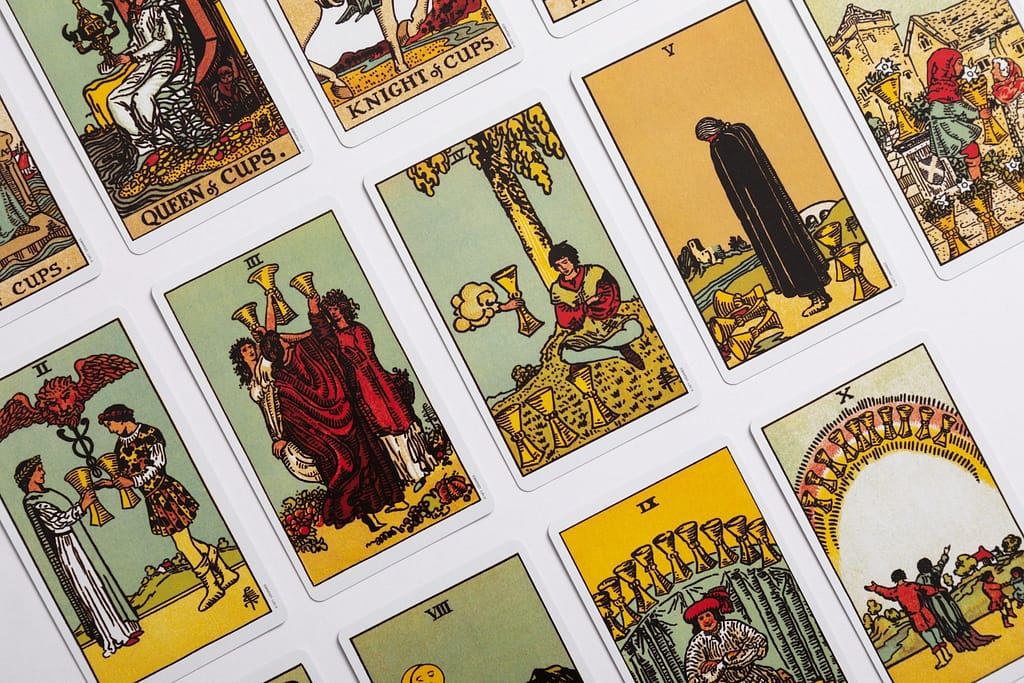
The other 56 cards in a tarot deck are the Minor Arcana, split into four suits. Most decks call them Wands, Cups, Swords, and Pentacles, though some rename them (Coins instead of Pentacles, Rods instead of Wands, that sort of thing). The number of cards in tarot deck stays the same regardless of what the suits are called.
Each suit has 14 cards. That’s Ace through Ten (the numbered cards), plus four court cards: Page, Knight, Queen, and King. So four suits times 14 cards equals 56 Minor Arcana.
Here’s what each suit generally represents:
- Wands: Passion, creativity, action, ambition, that “let’s fucking go” energy
- Cups: Emotions, relationships, intuition, all the feelings
- Swords: Thoughts, communication, conflict, mental clarity (or chaos)
- Pentacles: Money, work, physical world, material resources, practical stuff
The Minor Arcana add the details to whatever story the Major Arcana are telling. They’re the “how, when, and where” to the Majors’ “what and why.” If you’re learning tarot, understanding how these 56 cards work together is where the real skill-building happens. Memorising meanings only gets you so far. Actually understanding the patterns and how the cards talk to each other is what makes you a decent reader.
Decks That Don’t Stick to 78
Right, so why do some decks add extra cards? Usually for one of three reasons. They want to offer alternate versions of certain cards (like different relationship dynamics for The Lovers). They’ve created entirely new Major Arcana that represent concepts they think are missing from the traditional sequence. Or they’ve made expansion packs with seasonal, astrological, or elemental cards you can shuffle in if you want.
It’s creative, it gives readers options, but it also means the answer to how many tarot cards are in a deck gets complicated fast. Here are the most common decks you’ll run into that change the count.
Modern Witch Tarot (79 Cards)
Modern Witch Tarot is gorgeous. Bright colours, inclusive imagery, modern fashion, all based on the classic Rider Waite Smith structure. It’s one of the best starter decks if you want something that feels contemporary and doesn’t look like it was illustrated in 1909.
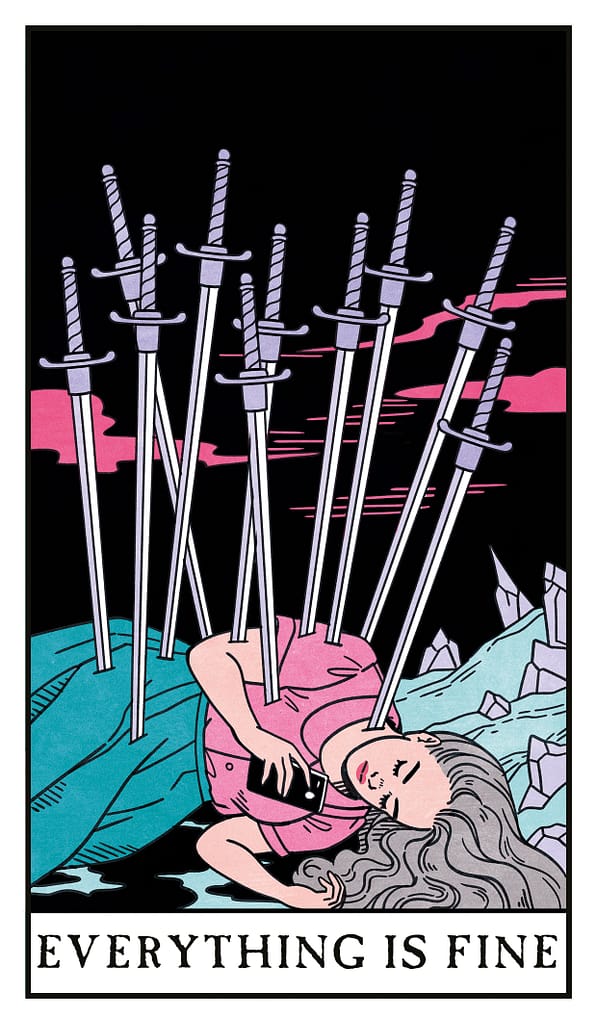
It comes with a duplicate Ten of Swords. One is the regular card (person on the ground, ten swords in their back, you know the vibe). The other says “Everything is Fine,” which is darkly hilarious if you know what the Ten of Swords traditionally means. If you keep both cards in your deck, you’re reading with 79 cards instead of 78.
Most readers either pick one or the other, or they keep both in and read the “Everything is Fine” version as a tonal shift when it shows up. Your call. Either way works.
Star Spinner Tarot (81 Cards)
Star Spinner Tarot is whimsical, storybook style, illustrated by Trungles. It leans heavily into romance and mythology, which makes it a great fit for questions about love, creativity, and self-discovery.
This deck includes four versions of The Lovers card, each representing different types of relationships and pairings. The box contains 81 cards total. Most readers pick the Lovers card that resonates with them and set the other three aside, which brings the working deck back to 78. But if you want to keep all four in play, you’re reading with 81 cards.
Thoth Tarot (78 or 80)
Thoth Tarot is its own beast. Created by Aleister Crowley and illustrated by Lady Frieda Harris, it follows a completely different esoteric system. Different suit names, renamed Major Arcana, distinct colour and symbol language. It’s not a beginner deck.
Some editions include three versions of The Magus (which is what Thoth calls The Magician). When all three are in the box, the total is 80 cards. Most modern printings stick to one Magus and keep it at 78. If you’ve got an older edition with three, most people just pick one to use and keep the other two in the box.
The Fountain Tarot (79 Cards)
The Fountain Tarot is stunning. Calm, meditative, luminous imagery with a really reflective tone. Great for readings where you’re trying to understand presence, clarity, meaning, that sort of thing.
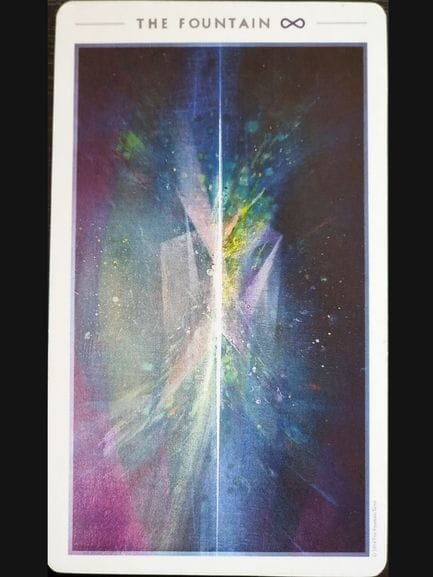
It adds an entirely new Major Arcana card called The Fountain. This card is usually shown with an infinity symbol and represents unity and timeless presence. It doesn’t fit into the traditional Fool through World sequence; it just exists as its own thing. If you keep it in your deck, you’ve got 79 cards. If you take it out, you’re back to 78.
This Might Hurt Tarot (79 Cards)
This Might Hurt Tarot is my go-to deck. Created by Isabella Rotman (who’s also non-binary, which matters to me), it’s beginner-friendly, reads cleanly for practical questions, and still has real emotional depth.
The Liminal 11 editions include a bonus Major Arcana card titled “This Might Hurt” or “This Might Heal,” depending on the version. That brings the total to 79 cards. Some special bundles also came with a separate oracle deck called “This Might Help,” but that doesn’t affect the tarot card count; it’s a whole separate thing.
Pixie Pop Tarot (79 Cards)
Pixie Pop Tarot is a bright, pop art homage to Pamela Colman Smith (the artist who actually illustrated the Rider Waite Smith deck, though Waite got most of the credit for decades). It keeps the classic structure but updates the palette and cast so everything feels more current.
It adds a tribute Major Arcana card called “Visionary” as a nod to Pamela Colman Smith’s creative authorship. With that card included, the deck has 79 cards. Some readers keep it in as acknowledgement of who actually created the imagery we all rely on. Others take it out for a strict 78-card practice. Both approaches are valid.
Spacious Tarot (99 Cards with Expansion)

Spacious Tarot is nature-based, earthy, and immersive. There are no people in the imagery, just landscapes and textures. The base deck is a standard 78 cards and works perfectly on its own as a complete system.
The official expansion pack adds 21 cards inspired by elements, zodiac signs, and cosmic themes. If you shuffle the expansion into your base deck, you’re reading with 99 cards total. Some readers fully integrate the expansion and read with all 99. Others keep the expansion separate and pull one card as an overlay for timing, seasonal context, or general vibe. Both methods work.
Everybody’s Tarot (78 or 100)
Everybody’s Tarot is an approachable deck with clear art and a welcoming tone. The current printing is a standard 78-card deck and reads like a classic.
The first edition included extra material though. It bundled a 20 card booster pack and two bonus cards, which took that early run to 100 cards in the box. Those extras function like an oracle layer. If you own that first edition version, you can mix them in or keep them separate. The current edition returns to the standard 78.
Other Decks with Extras Worth Knowing
The Quick List
Here are a few other popular decks that change how many cards are in a tarot deck:
Cosmic Tribe Tarot includes three Lovers cards and comes with 80 cards in the box. Ethereal Visions adds two new Major Arcana cards called “The Well” and “The Artist” for a total of 80. True Black includes a card called “Anant” for 79 cards total. Numinous includes “The Numinous” for 79. Sakki Sakki varies by edition and can reach 83 cards in the special edition.
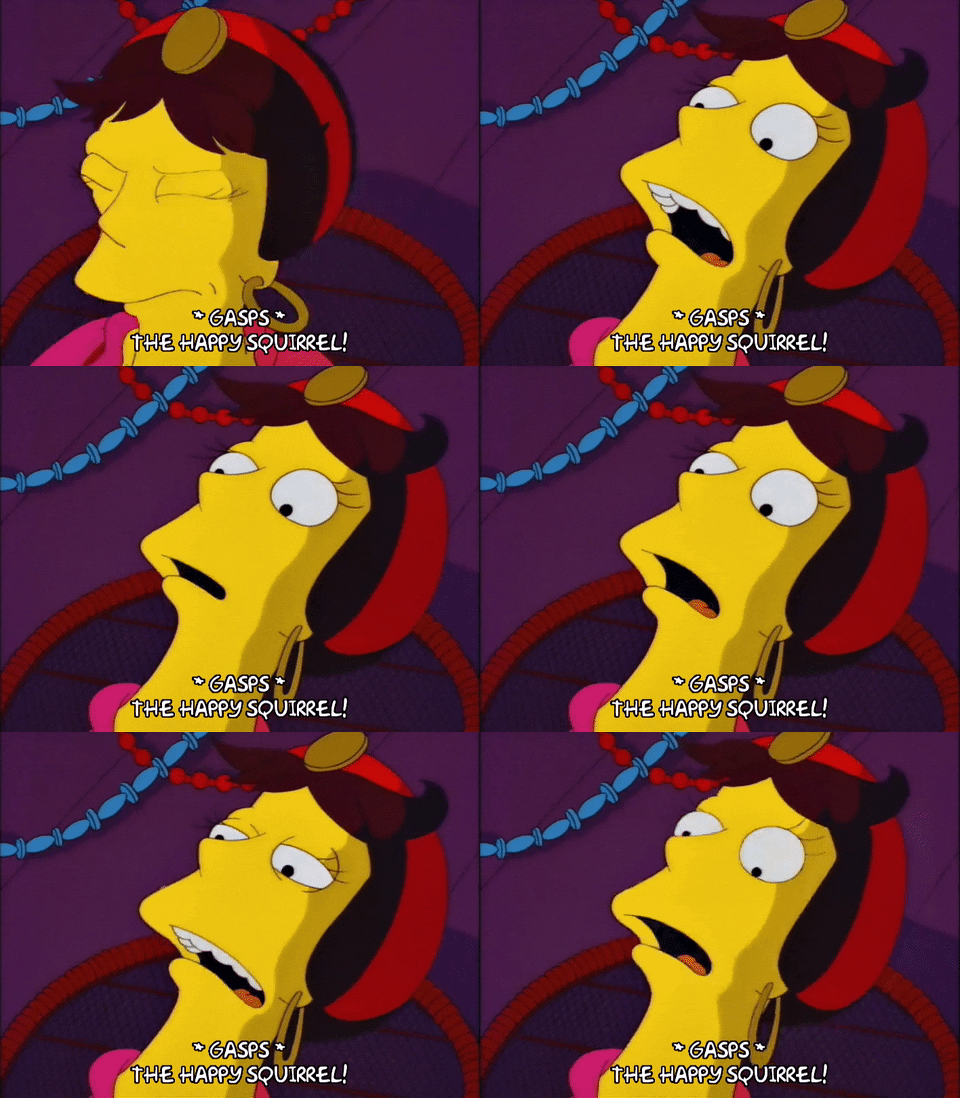
You might also run into The Happy Squirrel in some novelty or collector decks. This is a joke card that first appeared in an episode of The Simpsons and somehow became a real thing in the tarot world. It’s tongue in cheek, it’s optional, and it doesn’t belong to the traditional list of Major Arcana. If you see it in a deck and want to leave it out, you’re back to your base count.
So How Many Cards in a Tarot Deck?
Standard answer is 78. That’s what most tarot decks have, that’s what most guidebooks reference, that’s what you should expect unless the deck specifically tells you otherwise.
But plenty of popular decks add extras. Alternate cards, new Major Arcana, expansion packs. That can push the total number of cards in a tarot deck into the 80s, 90s, or beyond. What matters isn’t the exact number in the box. What matters is whether the cards you’re actually using support how you read.
If you’re new to tarot, stick with a standard 78-card deck. Learn the structure, build your connection to the cards, understand how the suits work together and how the Majors and Minors interact. Once you’re confident with that foundation, then you can mess around with expansion packs and bonus cards if you want. But don’t complicate things before you need to.
If you’re already reading and you’re wondering whether to keep those extra cards in your deck, try it both ways. See if the bonus cards actually add something useful to your readings or if they just clutter things up. There’s no right answer here. Some people love having options. Some people want the traditional structure and nothing else. It’s your deck, your practice, your call.
The number that matters most is the one that helps you connect with the cards and give clear, useful readings. Whether that’s 78, 79, or 99 depends entirely on what works for you.
Want to Learn What to Actually Do with Them?
Knowing how many cards are in a tarot deck is one thing. Knowing what to do with them is another.
If you’re interested in actually learning tarot properly (not just memorising meanings from a guidebook, but understanding how to read intuitively and confidently), check out my Simply Tarot Course. It’s a hands-on, in-person course that teaches you how to connect with the cards and read for yourself, and eventually for others if that’s what you want.
Or if you just want a reading to see what this is all about, you can book a session. I’m at FLOW in Salford Thursday through Sunday, or I offer Zoom readings if you’re not local.
Either way, now you know. Standard tarot deck has 78 cards, but your deck might have more. And that’s absolutely fine.