Tarot Numerology Explained
I think numerology is one of the most underused entry points into tarot. Learn the ten numbers and you’ve already got a framework for forty of the seventy-eight cards. The number tells you where in the cycle you are. The suit tells you which part of life it’s happening in.
What is Tarot Numerology?
Each number carries consistent energy regardless of which suit it’s in. That’s what makes numerology one of the most practical frameworks in tarot. Once you understand what a number brings, you’ve already got context for four different cards before you’ve looked at the imagery or anything else.
This page covers each number from one to ten and how that energy plays out across Cups, Wands, Swords, and Pentacles. Use it as a reference, or as a starting point for building your own relationship with the numbers.
Number One
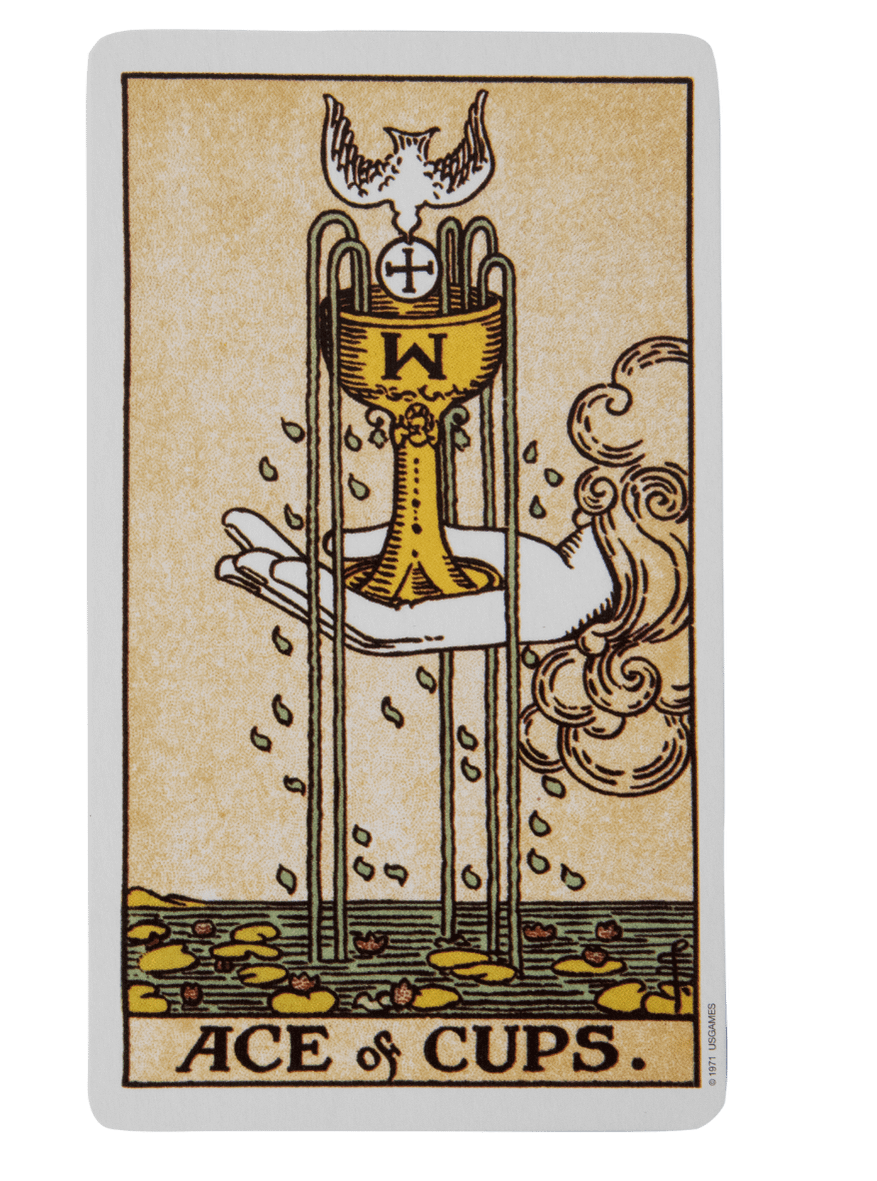
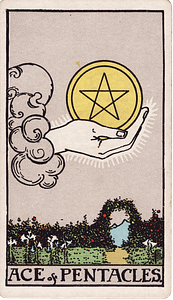
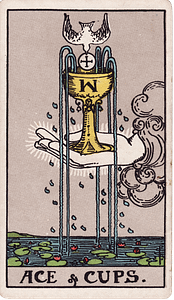
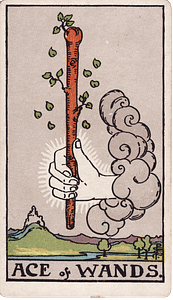
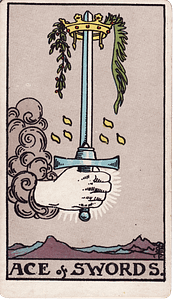
One is beginnings and potential. The raw offer, before it’s been shaped into anything. Pure possibility with none of the follow-through yet.
Across the suits it shows up differently: a material opportunity landing (Pentacles), an emotional opening (Cups), that lightning-bolt creative spark (Wands), the one clear thought that cuts through the noise (Swords). Something new is available to you right now, whichever suit it’s wearing. None of them are guarantees though. They’re all just doors.
Number Two
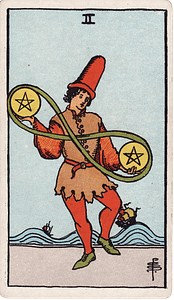
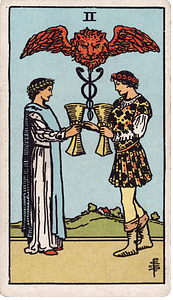
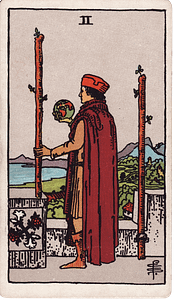
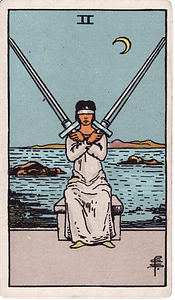
Two is duality. One thing meets another and has to relate to it somehow, and that relating can go two ways. Sometimes it’s harmony, two things working well side by side. Sometimes it’s an unresolved fork, a decision that hasn’t been made yet and won’t sort itself out on its own.
The suits change how that feels: juggling priorities (Pentacles), genuine one-on-one connection or the imbalance in it (Cups), potential energy that hasn’t been released yet (Wands), a decision narrowed to two options with the eyes firmly shut (Swords). Either way, something now has to be weighed against something else.
Number Three
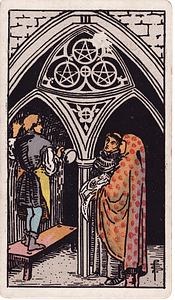
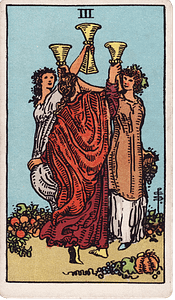
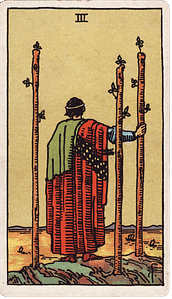
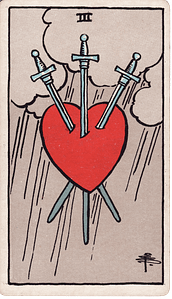
Three is growth and expression. It’s the first real evidence that something is working, past potential and into visible progress.
There’s a recognition of perspective in all of them: understanding what you bring and what you don’t (Pentacles), shared joy and community (Cups), stepping out of your comfort zone before you feel ready (Wands), trying to think your way around a feeling instead of actually sitting with it (Swords). Threes turn up when effort starts paying off, or when something needs to be shared rather than kept private.
Number Four
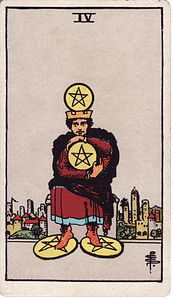
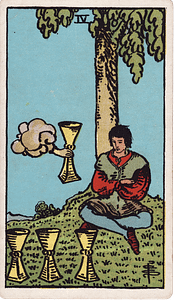
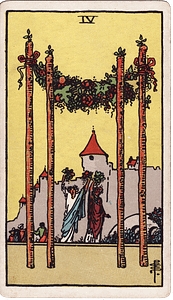
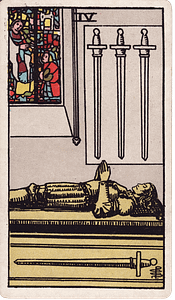
Four is stability and structure. It’s the pause where you consolidate what you’ve built so it can actually hold weight.
Sleeping on an idea until it’s ready (Swords). Emotionally checked out, holding on by refusing to engage (Cups). Bringing disparate energies together into something bigger (Wands). Gripping your resources so tightly nothing can get in or out (Pentacles). Fours can feel solid and welcome, or they can feel like stagnation. It depends on whether the structure is serving you or trapping you.
Number Five
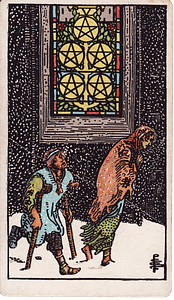
Five is challenge and disruption, the wobble that turns up right when things were getting comfortable.
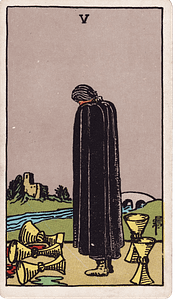
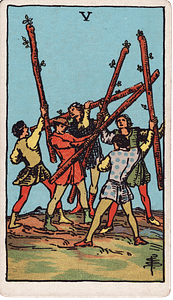
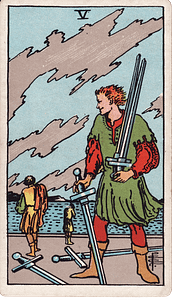
The specifics shift by suit: the gap between what you have and what you think you deserve (Pentacles), fixating on what’s gone while what’s still standing is right behind you (Cups), conflict that might be internal or external (Wands), collecting too many other people’s opinions and losing your own thinking in the noise (Swords). Conflict, loss, or a spanner in the works. Fives are doing their job even when they don’t feel good, because nothing grows without some friction.
Number Six
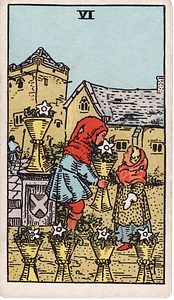
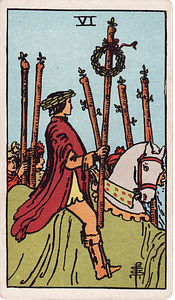
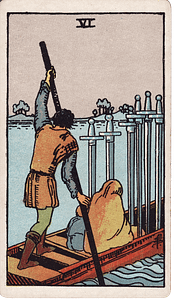
Six is harmony and restoration. It’s the come down after the Five, where balance gets rebuilt and things start to feel workable again.
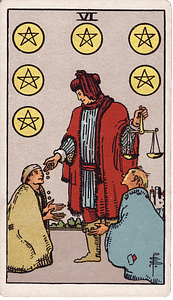
Pentacles: exchange of resources, with a question about who holds the power in that exchange. Cups: something from the past coming back up that needs looking at. Wands: earned recognition, forward momentum. Swords: moving on, but making sure you’re leaving the right things behind, not just the painful ones. Sixes often bring help from somewhere. A gesture, a fair exchange, some evidence that things aren’t just chaos.
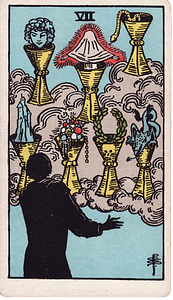
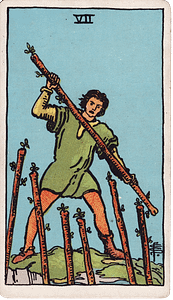
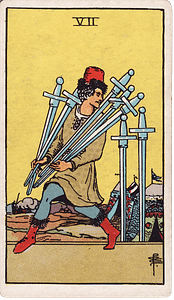
Number Seven
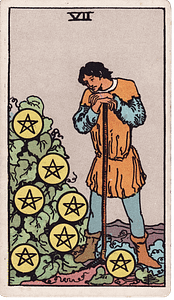
Seven is reflection and evaluation. A pause to actually look at what’s happened so far and decide if it’s still the right direction.
Assessing what you’ve built, which is healthy until it becomes an excuse to stop (Pentacles). Living in future possibilities or fears instead of the here and now (Cups). Your progress attracting resistance, having to defend what you’ve built (Wands). Distracted by something shiny, seeing what looks real but isn’t (Swords). Sevens can be quiet and internal. They can also be the moment you finally admit something isn’t working.
Number Eight
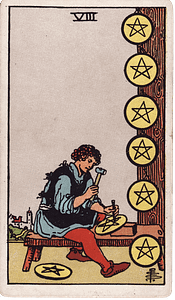
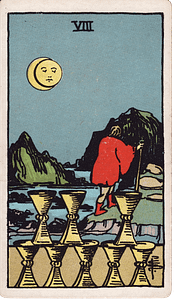
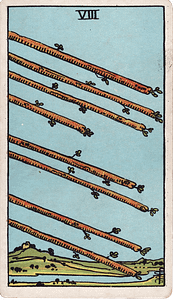
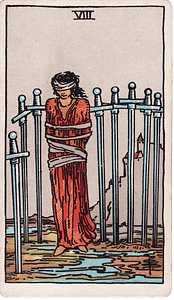
Eight is movement and achievement. Things pick up pace again after the Seven’s pause, momentum returning with a clearer sense of where it’s headed.
Focused, deliberate practice (Pentacles). Everything happening at once, overstimulation you can’t stop (Wands). Recognising your emotional capacity is tied up in something that’s been draining you (Cups). Feeling more and more trapped by your own thinking, the anxiety tightening (Swords). Eights are doing, not thinking. The practical push towards finishing what you started.
Number Nine
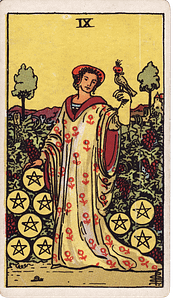
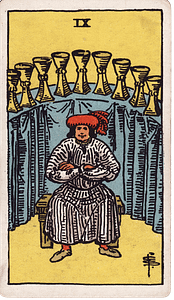
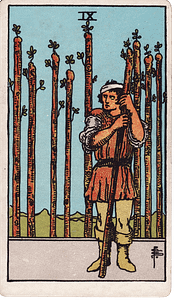
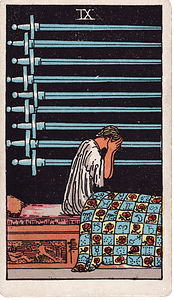
Nine is culmination, the sense that something’s about to close. Nearly there but not quite, the tension of the last stretch before an ending.
Self-sufficient, prosperous, fill your own cup (Pentacles). Taking stock of which emotional connections are nourishing and which have gone stale (Cups). Burning the candle at both ends, the last stand before it either comes together or falls apart (Wands). Your mind attacking you while everything else is quiet (Swords). Nines can feel like anticipation or like exhaustion, sometimes both in the same reading.
Number Ten
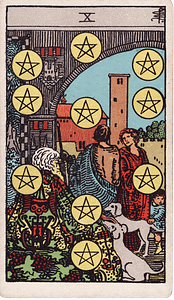
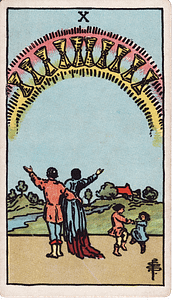
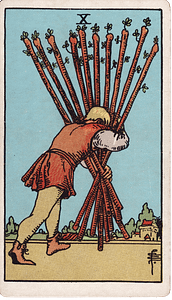
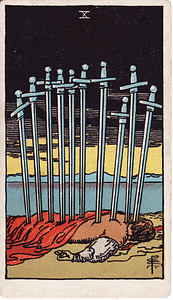
Ten is completion. The end of one cycle and the start of the next.
Abundance that extends beyond you, legacy (Pentacles). Emotional fulfilment, your connections feeding into each other and into you (Cups). Overwhelm, something has to be put down (Wands). The complete collapse of a way of thinking, which sounds like the worst thing until you realise it’s a release (Swords). Whatever the suit has been building towards, the Ten is where it lands, for better or worse, before the Ace of a new cycle starts the whole thing again.
Numerology gives you the framework. But frameworks only get you so far.
The real work is building your own relationship with the cards: understanding what each number means to you, how it shows up in your readings, what patterns you keep noticing. That takes time, practice, and someone to learn alongside.
That’s what Simply Tarot Membership is for.

Frequently Asked Questions
What is tarot numerology?
Each card in the pip suits (Ace through Ten) carries the energy of its number, and that energy stays consistent across all four suits. So the energy of a Five shows up in the Five of Wands, Five of Cups, Five of Pentacles, and Five of Swords, even though each suit brings its own element to it. Numerology is the framework sitting underneath the imagery, giving you a way into any pip card before you’ve looked at anything else.
Do I need to know numerology to read tarot?
Not at all. You can read without it. But once you’ve got it, it changes how you see the deck. Instead of 78 separate things to memorise, you start to see patterns. The numbers give you a skeleton to hang everything else on. I teach it early for that reason.
How does numerology help in a reading?
It gives you a starting point when you’re not sure where to go with a card. If you pull something you haven’t worked with much, the number tells you where in the story you are. Is this an early-stage beginning (Ace), a disruption (Five), an almost-there (Nine)? That context is available to you just from the number, before you’ve looked at anything else.
What’s the difference between tarot numerology and numerology as a practice?
Numerology as a practice uses your birth date, name, and other numbers to give you information about who you are and your life path. Tarot numerology is more specific: it’s just the meaning each number carries within the tarot system. They overlap in places, but you don’t need to know anything about life path numbers or numerology charts to use it in readings.
How do I start using numerology in my readings?
Start by noticing the numbers when you lay cards out. If you pull three cards and two of them are Fives, that tells you something before you’ve looked at anything else. Two points of disruption or imbalance showing up together. Once you’ve got a feel for what each number brings, patterns like that start jumping out. It takes time, but it becomes second nature the more you work with the cards.
