Thinking / Feeling / Doing Tarot Spread
This three-card spread shows how your thoughts, feelings and actions align or conflict. It helps you identify where your mind, heart and behaviour work together or create tension, encouraging you to find harmony and make more conscious decisions that support your well-being.
Why This Spread?
Use this spread when you feel torn between what you think, how you feel and what you do. It sheds light on internal conflicts, helps you understand what drives your choices, and guides you to align your head, heart and actions with your values.
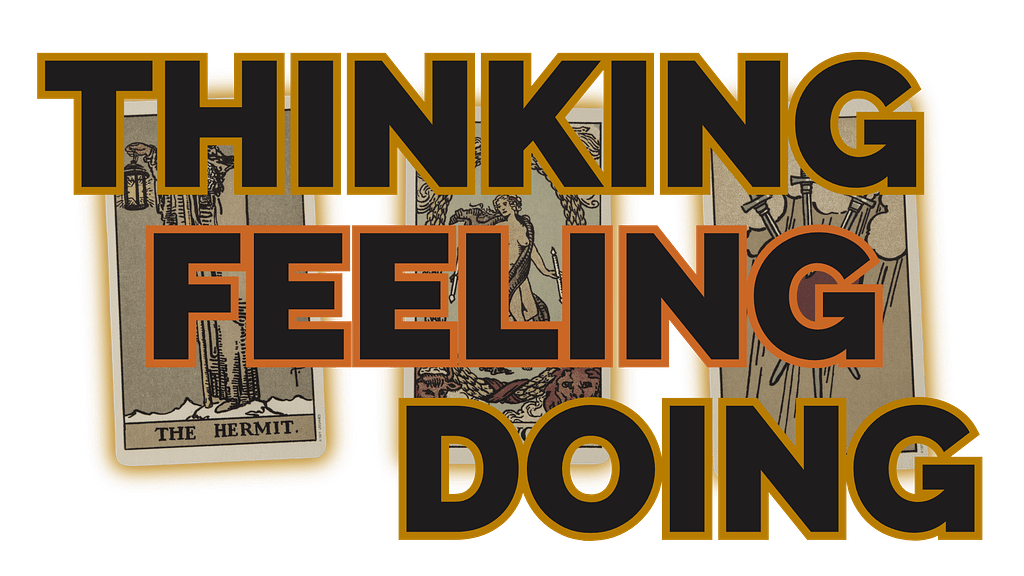
3 Card Tarot Card Spread
Thinking / Feeling / Doing Tarot Spread Breakdown:
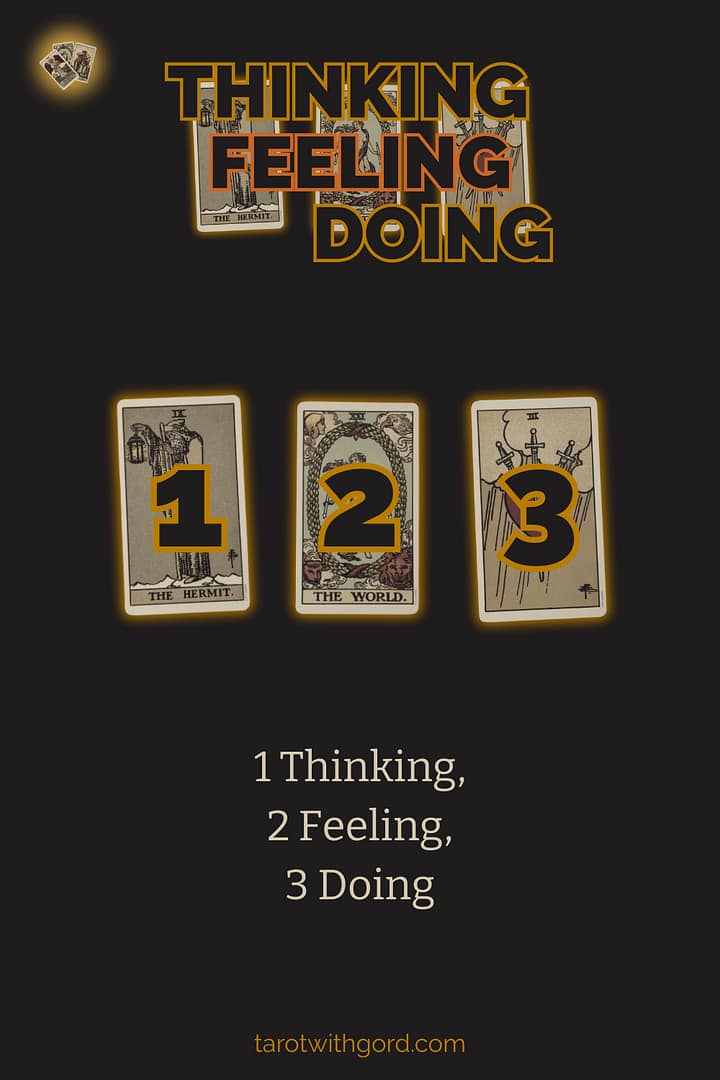
Card 1: Thinking – Consider the thought patterns and beliefs shaping your perspective.
Card 2: Feeling – Explore the emotions underlying your situation and what they tell you.
Card 3: Doing – Assess the actions you take and whether they align with your values.
When To Use Alignment Spread
Turn to this spread when making decisions, feeling stuck, or sensing a disconnect between what you believe and how you behave. It’s ideal for clarifying whether your actions support your feelings and thoughts, and for identifying where you need to adjust or realign.
Questions For Alignment
- How do my current thoughts support or hinder my goals?
- What emotions are influencing my decisions right now?
- What actions can I take to align with my true feelings and ideas?
Affirmations For Alignment
- "I trust my thoughts and feelings to guide me."
- "I act in ways that honour my emotions."
- "I bring my head, heart and hands into harmony."
Try this spread now, and keep what you notice
The Reading Recorder takes you through the Thinking / Feeling / Doing spread one position at a time.
You pull your cards, write down what you actually see in each one, and the whole reading stays in one place instead of scattered across a notebook you'll lose. It's free to try.
Journaling Prompts For Alignment
- "Where do my thoughts and actions conflict?"
- "What feelings have I been ignoring or suppressing?"
- "What practical steps can I take to align with my values?"
Reflection Tips For Alignment
- Notice recurring themes in your thoughts and how they affect your mood.
- Pay attention to physical sensations when exploring emotional truths.
- Act on small steps that integrate your mind, heart and behaviour.
Why Card Alignment Helps
Working with cards gives you visual cues to compare your mental, emotional and behavioural states. It allows you to externalise internal conflicts, recognise where your actions don’t match your feelings, and encourages you to make changes that create harmony and integrity in daily life.
Understanding Thought Emotion Action
This spread highlights how the mind, heart and hands interact. It reveals whether your ideas inspire your emotions and actions or if there is misalignment. Recognising these patterns helps you make adjustments so that your behaviour supports your beliefs and feelings.
Key Focus Areas For Alignment
The Thinking card reveals your predominant thoughts and the narratives guiding you. It encourages you to examine whether your mindset is supportive or limiting, and to consider how your beliefs shape your choices and overall sense of direction so you can shift them if needed.
The Feeling card represents your emotional landscape and how your heart responds to your thoughts. It invites you to notice emotions that may not align with your rational mind, reminding you that honoring your feelings leads to healthier decisions and greater self-respect.
The Doing card shows how you express your thoughts and emotions through actions. It asks you to evaluate whether your behaviour reflects your inner truth or if you’re acting from habit. By aligning your actions with your values, you can live more authentically.
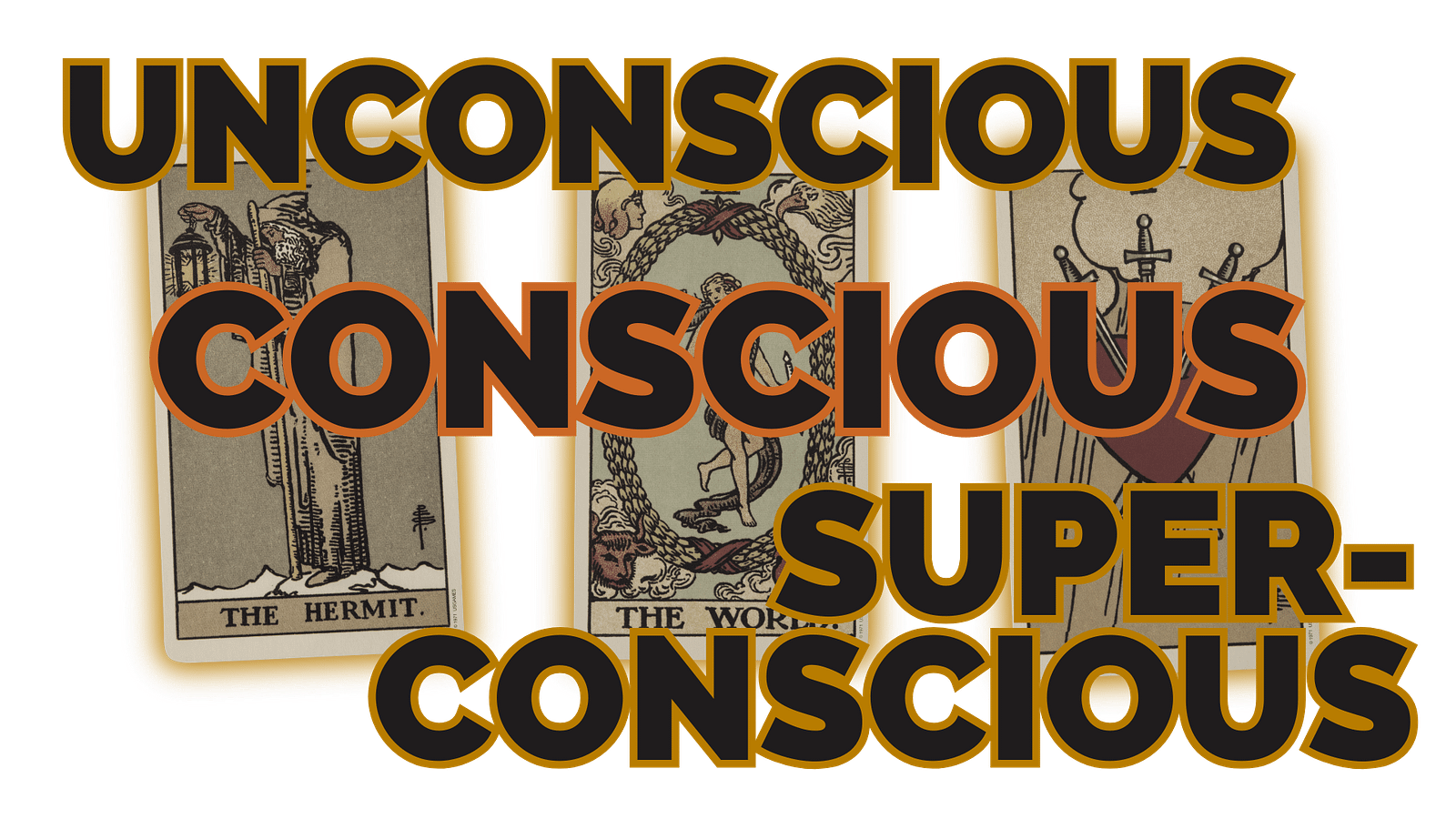
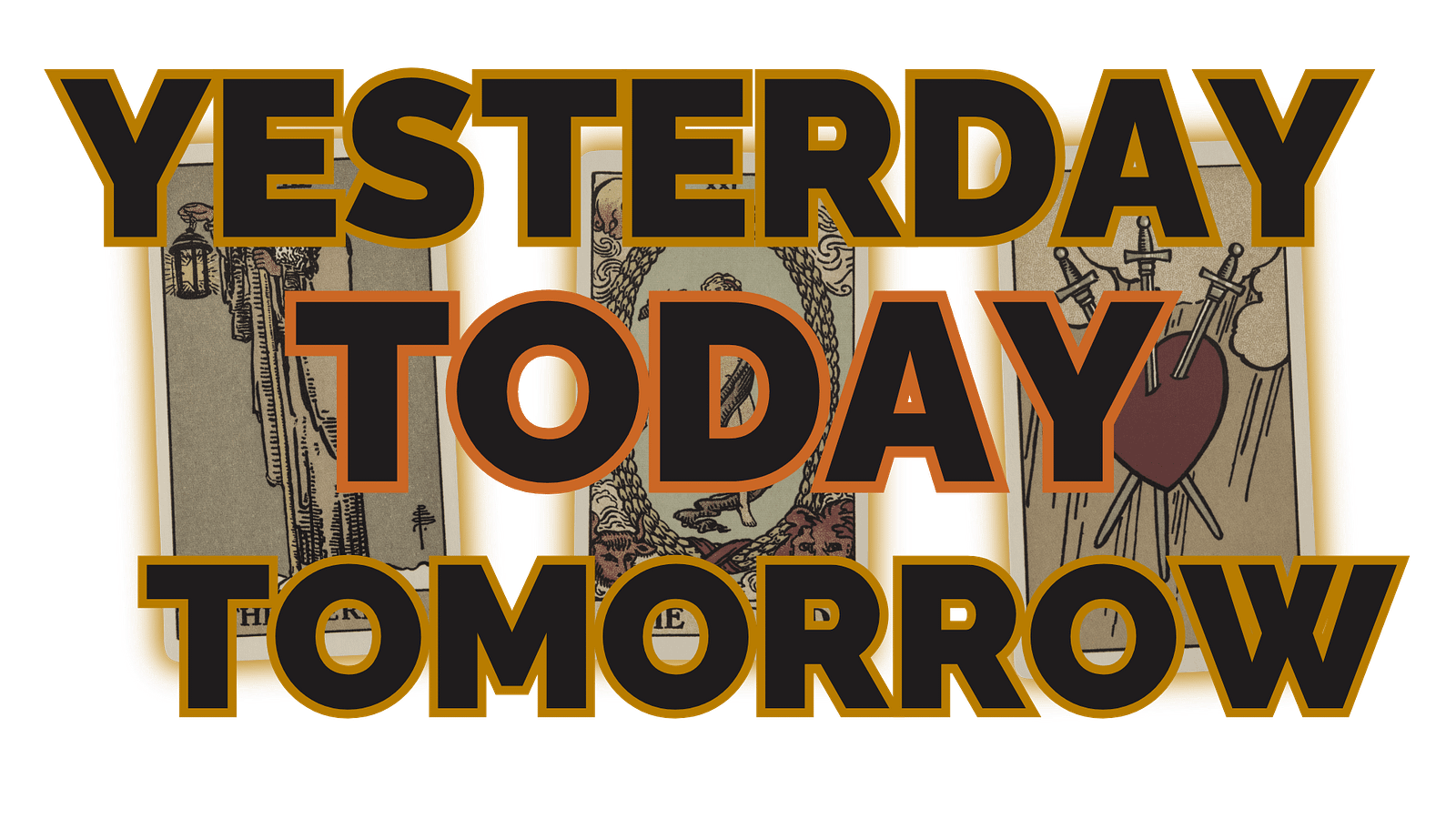
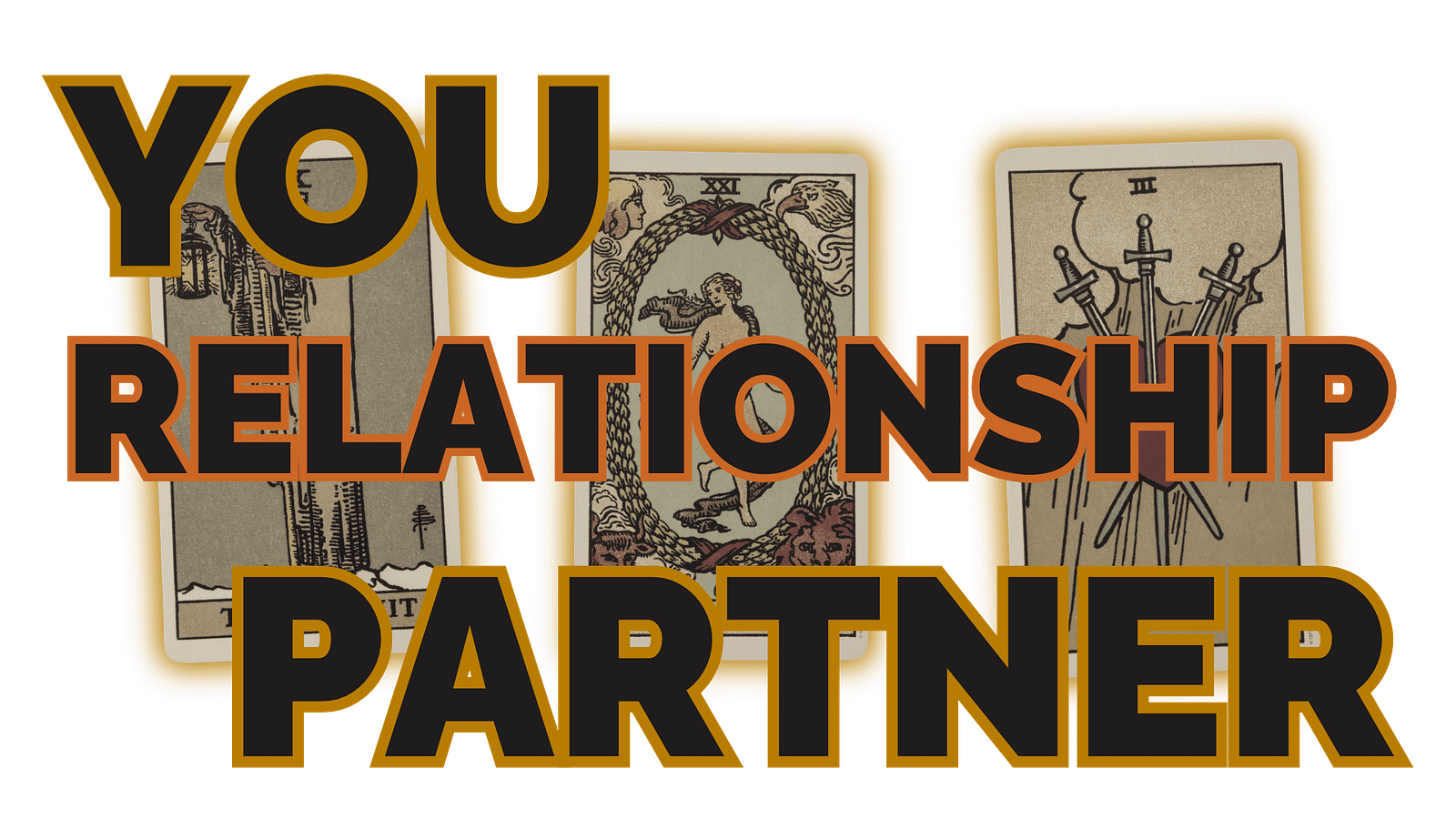
Spread Layout at a Glance
Frequently Asked Questions about the Thinking / Feeling / Doing Tarot Spread
What does the Thinking / Feeling / Doing spread reveal?
This spread highlights where your thoughts, emotions and actions are in harmony and where they conflict. It gives you a clear picture of your inner alignment, helping you understand why you feel stuck or empowered and guiding you to make decisions that honour all parts of yourself.
How can this spread assist with decision-making?
By laying out your thoughts, feelings and actions, the spread shows you where internal conflict or agreement lies. This clarity helps you identify which part of you needs reassurance or adjustment so you can make choices that feel right and reduce anxiety about decisions.
Should I use this spread for specific or general questions?
Both approaches work. If you have a particular issue, focus on it as you draw the cards. For general self-awareness, use the spread without a defined question. Either way, it will show you how your head, heart and actions interact.
How often can I do this spread?
You can use it whenever you feel confused or out of alignment. Some people draw it weekly or monthly to check in, while others turn to it during decision-making or emotional turmoil. Trust your intuition about how often to seek its guidance.
What if my thoughts and feelings are at odds?
This spread helps you explore why your mind and heart disagree. Instead of seeing conflict as a problem, use it to understand what each part needs. By acknowledging both perspectives, you can choose a path that honours your emotions and uses your logic wisely.
Can I use this spread to understand others?
While designed for self-reflection, you could adapt it to explore someone else’s motives, emotions and behaviours. However, focus on what it teaches you about your role in the situation and avoid making assumptions about others. The spread is most powerful when turned inward.
How does this spread compare to the Mind / Body / Spirit spread?
Both spreads examine aspects of your being, but Thinking/Feeling/Doing focuses on your mental, emotional and behavioural alignment, whereas Mind/Body/Spirit explores physical health, emotions and spiritual connection. Each offers a different lens for understanding yourself.
What happens if all three cards are contradictory?
If your cards tell different stories, take time to consider the gap between thought, feeling and behaviour. Contradiction isn’t failure; it shows where you might be ignoring a part of yourself. Use the insight to explore what needs attention and how to bring these parts together.
Should I read these cards together or separately?
Interpret each card individually then consider how they interact. A thought card may explain an emotion or lead to an action, while a feeling card might challenge your rational mind. Together they reveal the dynamics at play, giving you a fuller picture.
How can I align my actions with my values after this reading?
After identifying where you’re out of alignment, set small, actionable goals that reflect your values. This may involve changing habits, communicating your feelings, or reframing your beliefs. Start with manageable steps and celebrate progress; alignment comes from consistent practice and self-awareness.