The Hierophant Tarot Card Meaning
Upright Keywords
- Tradition
- Knowledge
- Guidance
Reversed Keywords
- Dogma
- Rebellion
- Stagnation
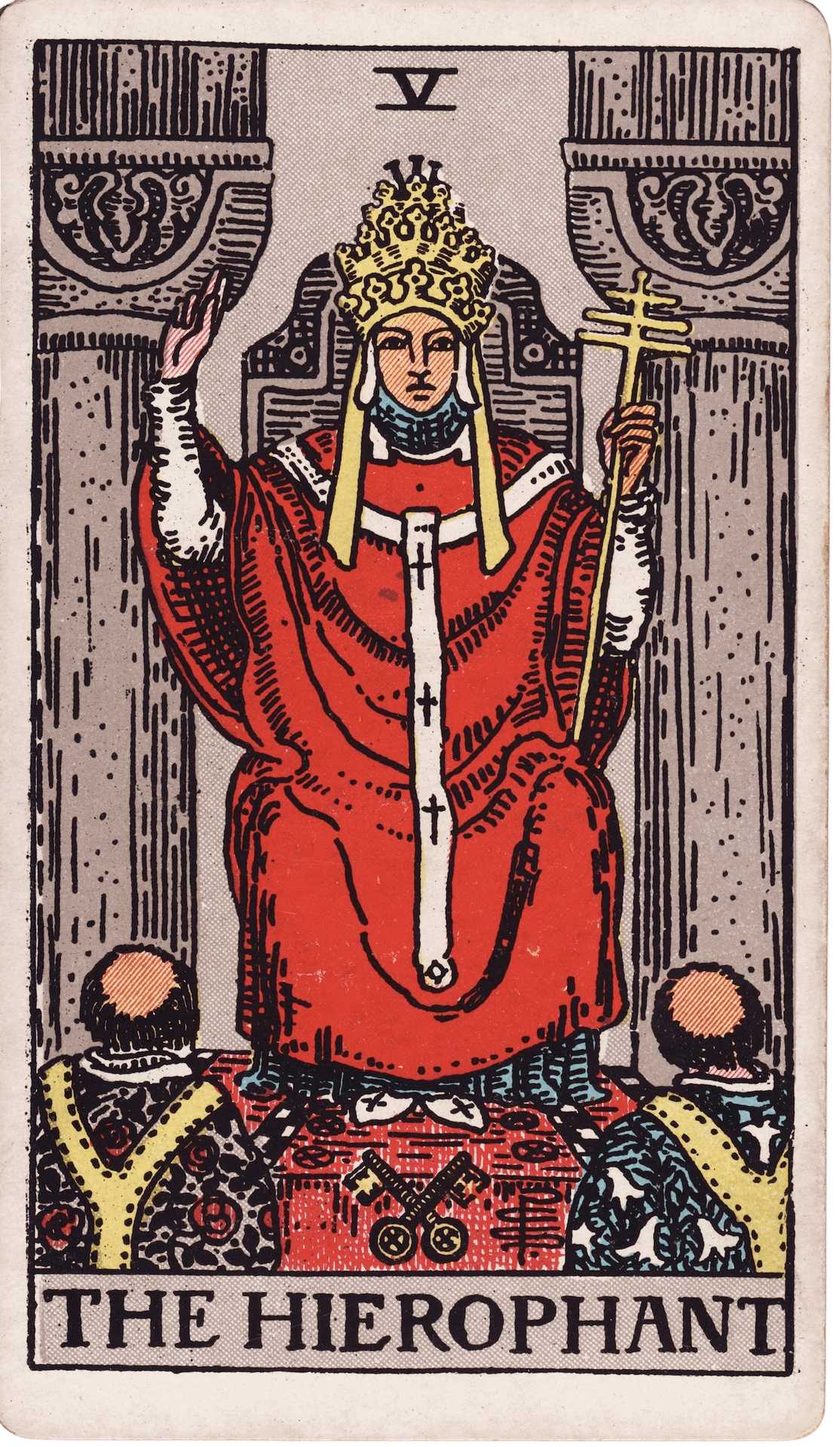
This is the energy of tradition, established wisdom, and learning from those who came before you. The Hierophant represents seeking knowledge through external sources: teachers, institutions, systems of thought. It asks where you're getting your guidance from, and whether the traditions you're following still serve you or have become something you follow without questioning.
The Hierophant Imagery and Symbolism
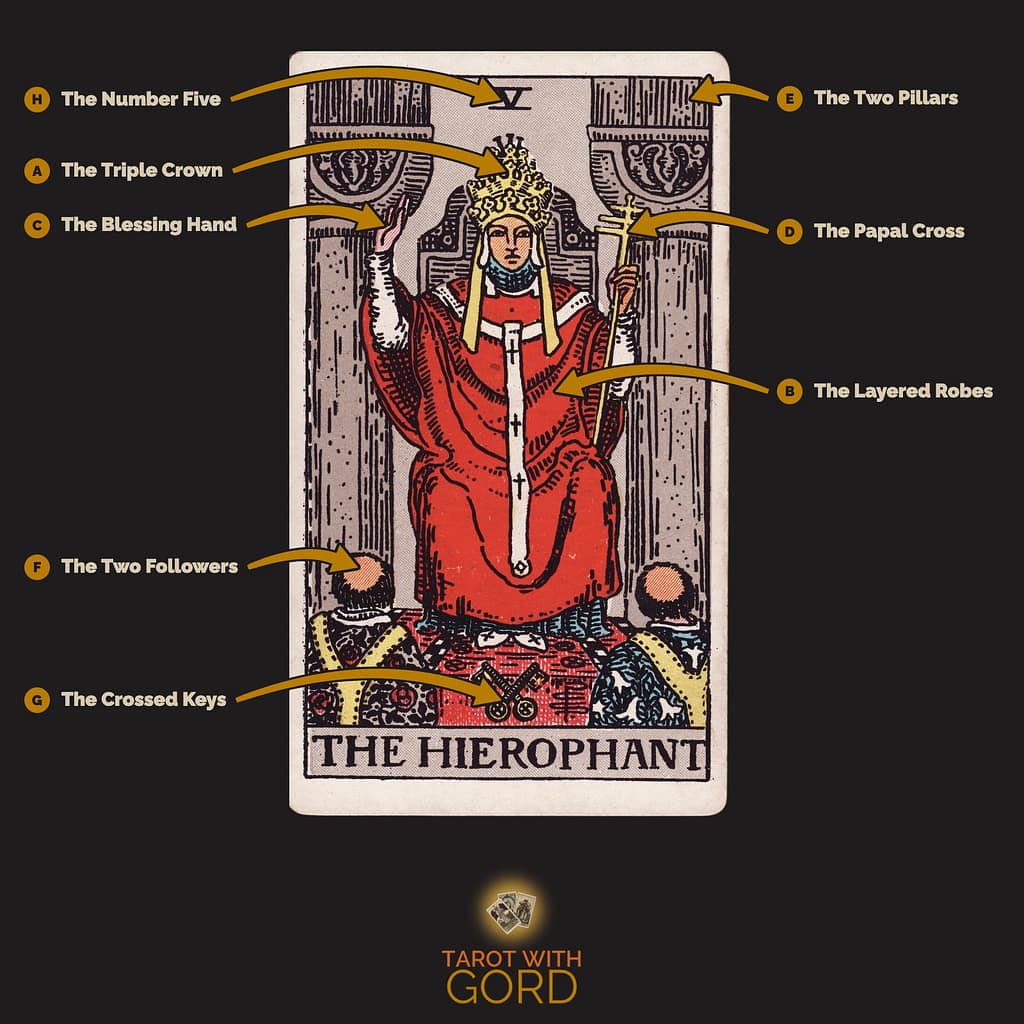
A tall gold crown with three tiers sits on their head. It's the papal tiara, and the three levels have long been read as rule over three worlds, with the Hierophant sat at the top of that ladder. Death has a bishop in a tall mitre stood facing the horse. Who handed them the crown?
See also: Death
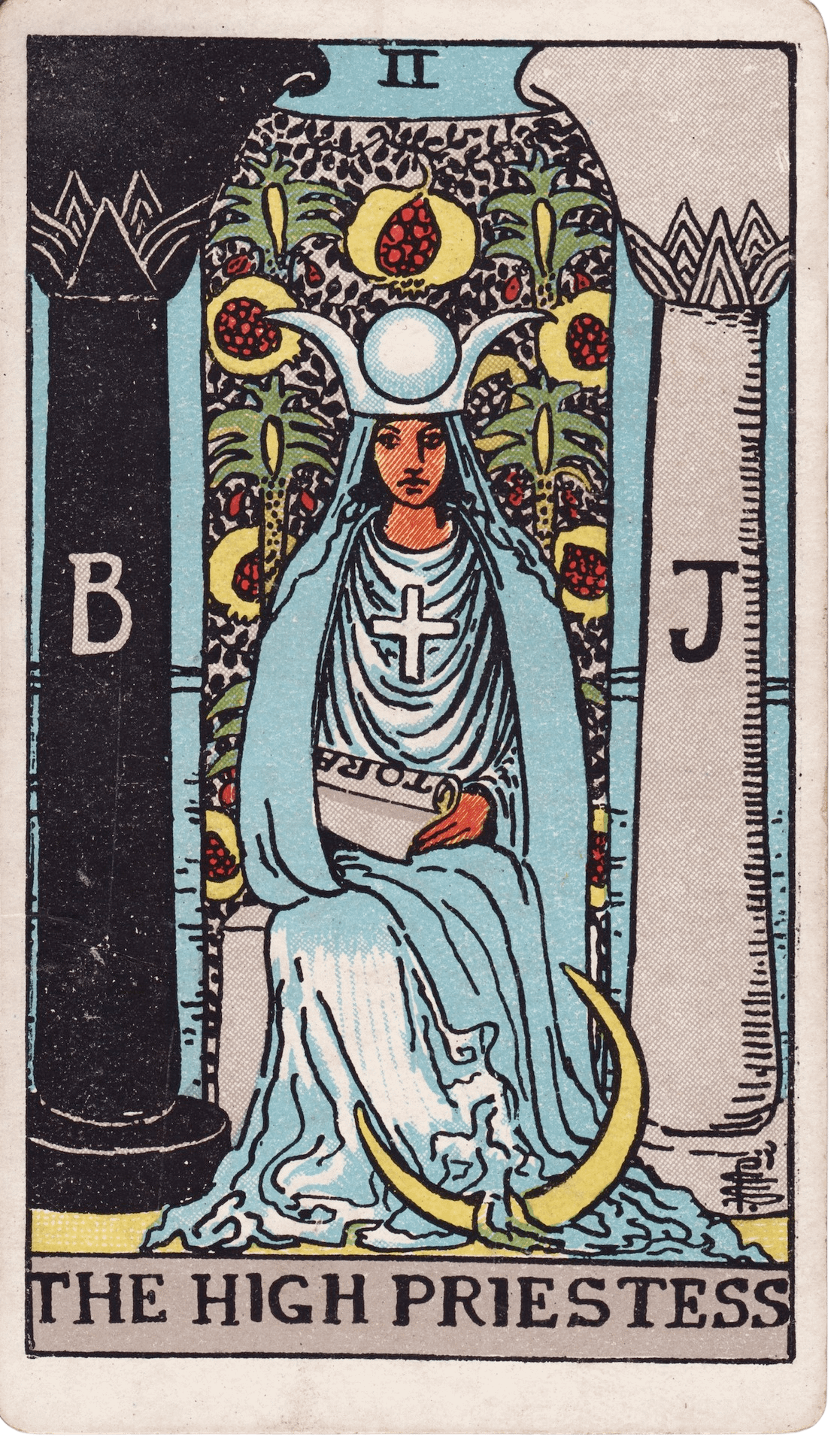
They're wearing three layers, red over white with blue at the neck, and a white stole with three small crosses running down it. Threes keep turning up on this card. The High Priestess wears blue and white too, so what's the red doing here?
See also: The High Priestess
Their right hand's raised in a religious blessing, two fingers pointing up and two folded down. Tradition reads it as the part of the teaching that's shown and the part that's kept back. Waite wrote that the Devil's raised hand is this blessing in reverse, so put the two cards side by side and see what's changed. The figure on the Ten of Swords makes the same two-finger sign, lying face down.
See also: The Devil, Ten of Swords
The staff in their left hand ends in a cross with three bars. It's traditionally a mark of the highest religious office. Who gets to carry something like that, and who decides?
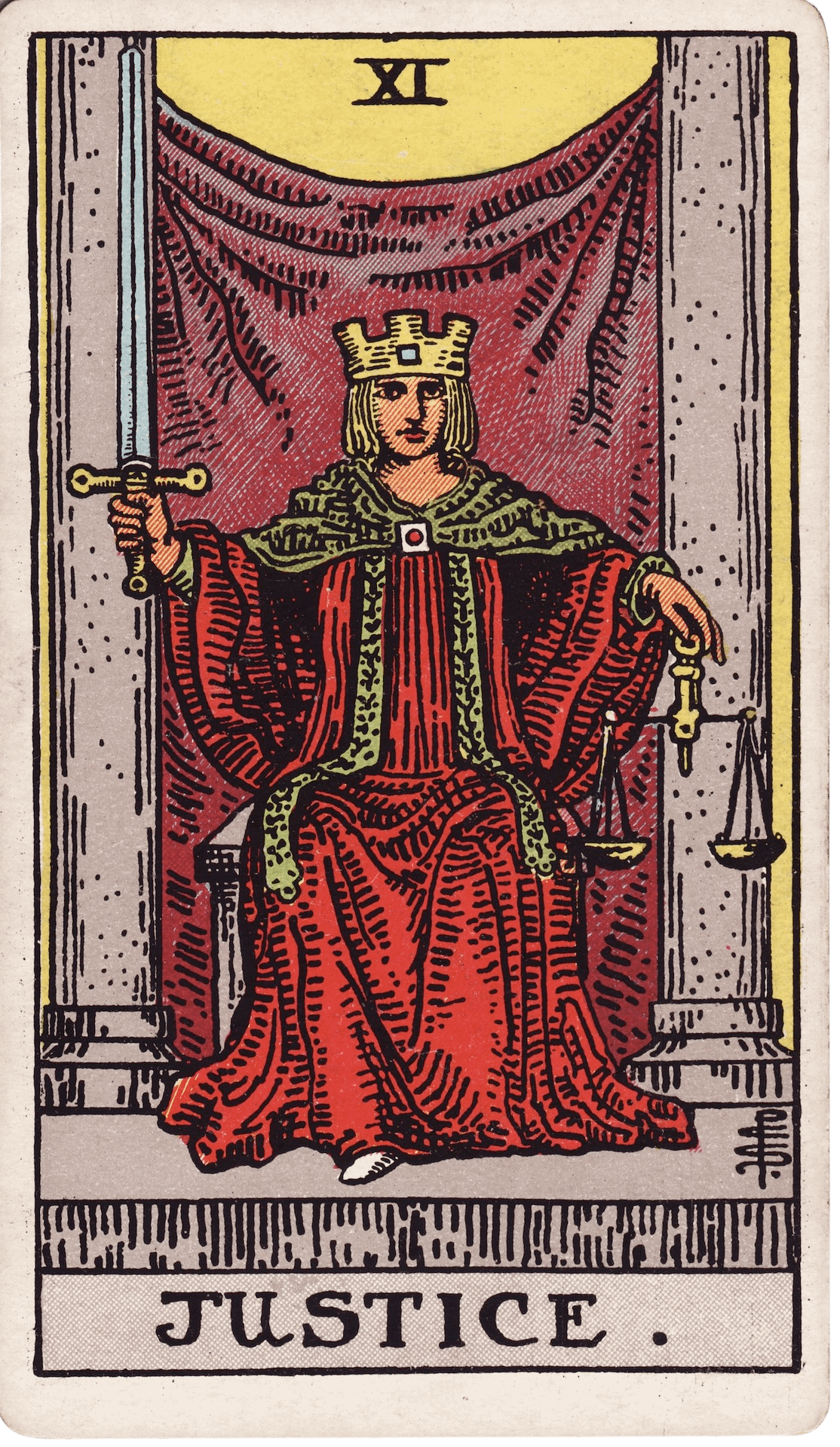
Grey stone pillars stand on either side, a lot like the ones on the High Priestess and Justice. Here they're both the same colour. So what changes when the pillars match?
See also: The High Priestess, Justice
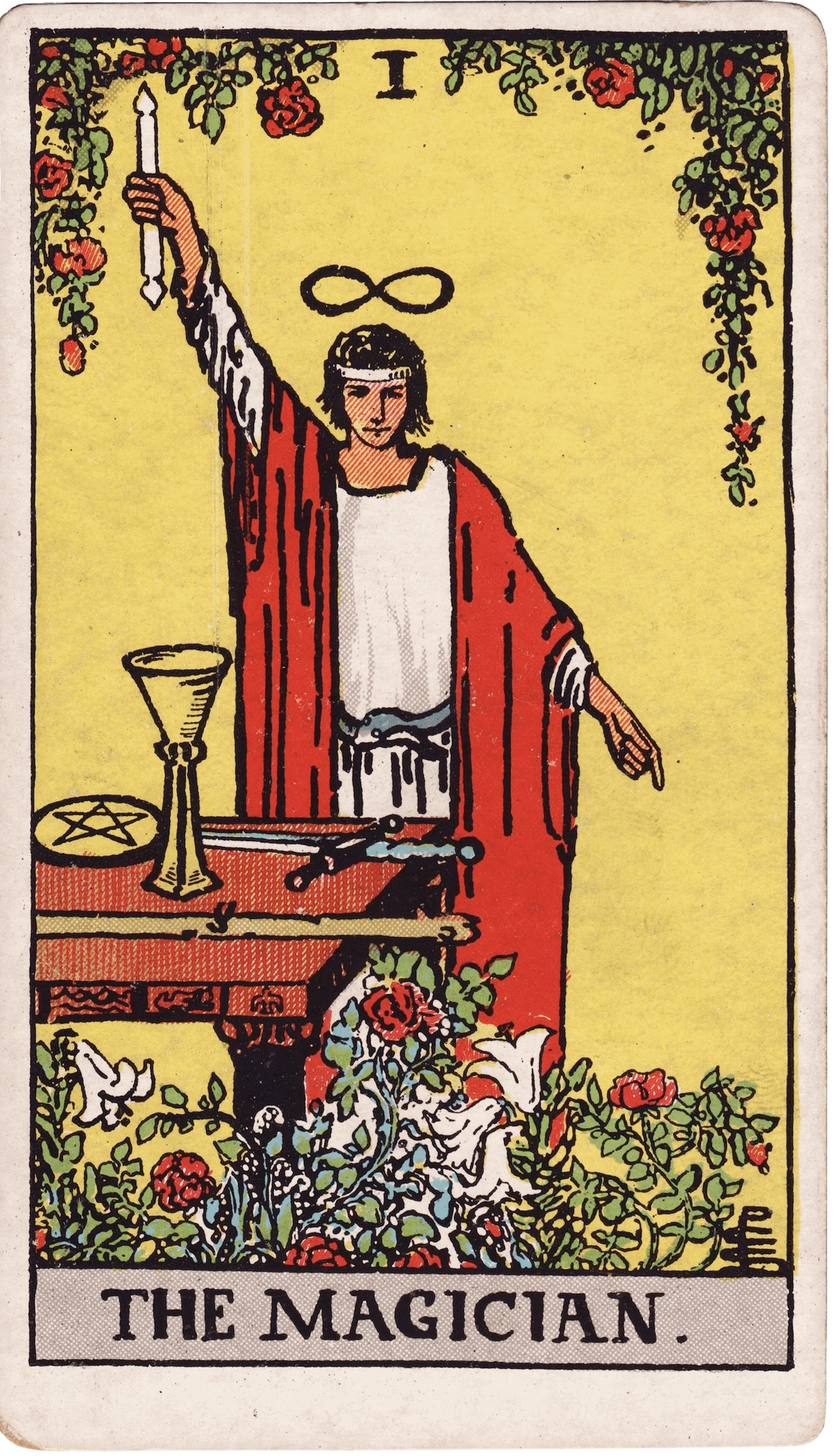
Two figures kneel in front of the Hierophant with shaved heads, which traditionally marks them as members of a religious order. One robe has roses on it and the other has lilies, the same flowers that grow around the Magician. The old reading is teaching being passed down. What have you been taught that you've never questioned?
See also: The Magician
Two keys lie crossed at the Hierophant's feet. They're traditionally tied to the keys of heaven, and to the balance between what's known and what's hidden. What do they unlock, and who's allowed to use them?
The Hierophant is card five. Five is often tied to the five fingers of the blessing hand, and some traditions read it as a fifth element that holds the other four together.
Building Your Relationship with The Hierophant
The meanings and symbolism above are the shared language we all start with. But every reader develops their own interpretations and stories for each card over time. Here's some of mine:
The Hierophant is depicted as a librarian holding the keys to knowledge and wisdom. I always think about the polarity between the Hierophant and the High Priestess. The Hierophant is about appealing to something outside yourself for clarity and answers. Tradition. Teachers. Books. Whereas the High Priestess is about your own intuition and inner knowing. Where are you getting your information from? Are you relying too much on other people telling you what the right thing to do is?
You can read more of my thoughts on The Hierophant and every other card in my working notes, available exclusively to members, alongside everything you need to build your own practice.
The Hierophant Tarot Card Meaning Upright
Tradition
This card represents tradition as a source of guidance. There's wisdom in established systems, rituals, and ways of doing things. Tradition here means learning from what's come before rather than reinventing everything from scratch. Sometimes the answers you need already exist in teachings or practices that have stood the test of time.
Knowledge
This card suggests knowledge is being sought or shared through formal channels. A teacher, a course, a mentor, a structured system of learning. Knowledge here means information that comes from outside yourself, from people or institutions with experience. There's real value in that, as long as you don't stop thinking for yourself.
Guidance
This card represents guidance from an external source. Someone or something is offering direction, whether that's a mentor, a spiritual practice, or a framework for understanding. Guidance here isn't about being told what to do. It's about receiving wisdom that helps you make your own informed choices.
The Hierophant Tarot Card Meaning Reversed
Dogma
When reversed, this card can suggest dogma. Tradition has calcified into rigid rules that no longer allow for questioning or growth. Dogma happens when the spirit of a teaching gets lost and only the rules remain. If you're following something without understanding why, that's worth examining.
Rebellion
This card reversed can suggest rebellion against established systems or authority. Sometimes that rebellion is healthy and necessary. Sometimes it's reactive rather than considered. Rebellion here asks whether you're rejecting tradition because you've genuinely outgrown it, or because you just don't like being told what to do.
Stagnation
When reversed, this card can represent stagnation within systems you've been following. The teachings or traditions that once helped you grow have stopped challenging you. Stagnation in this context often means you've learned what this teacher or system has to offer. It might be time to move on.
The Hierophant Upright in Your Readings
The Hierophant Upright in Love and Relationships Readings
In relationships, this card can suggest commitment through shared values, traditions, or beliefs. There might be a formal element to what's happening, whether that's making things official or aligning on what you both believe matters. Shared principles often create stronger foundations than shared interests alone.
The Hierophant Upright in Self-Care and Empowerment Readings
For self-care, this card suggests seeking out a teacher, counsellor, or guide who can help. You don't have to figure everything out alone. Empowerment sometimes means being humble enough to ask for help and wise enough to choose good sources of guidance.
The Hierophant Upright in Career and Creativity Readings
In career and creativity, this card suggests working within established structures or learning from a mentor. Sometimes you don't need to break the mould. Sometimes the best move is to apprentice yourself to someone who knows more than you do and absorb everything you can.
The Hierophant Upright in Life Changes and Shadow Work Readings
In life change and shadow work, The Hierophant asks you to examine your relationship with authority. Which rules do you follow because they feel true, and which do you obey out of fear? Unearthing the roots of your beliefs helps you keep what resonates and release what doesn’t.
The Hierophant Reversed in Your Readings
The Hierophant Reversed in Love and Relationships Readings
In relationships reversed, this card can suggest you're staying in a dynamic because of convention or expectation rather than genuine connection. Or there's a power imbalance where one person plays teacher and the other always follows. Healthy relationships need equality, not hierarchy.
The Hierophant Reversed in Self-Care and Empowerment Readings
For self-care reversed, this card can suggest you're either giving away your power to an authority figure or refusing all help out of stubborn independence. Neither serves you. True empowerment means knowing when to listen to others and when to trust yourself. You need both.
The Hierophant Reversed in Career and Creativity Readings
In career reversed, this card can suggest feeling stifled by workplace culture, rigid processes, or outdated ways of doing things. The system isn't working for you anymore. That might mean challenging it from within, or it might mean finding an environment that better fits how you work.
The Hierophant Reversed in Life Changes and Shadow Work Readings
Reversed, this card challenges you to see how blind obedience or knee‑jerk rebellion might be holding you back. Are you pushing against the system just to be contrary? Or stuck in complacency? Bringing awareness to these patterns lets you choose a more liberated path.
The Hierophant on the Fool’s Journey
The Hierophant is part of the Fool’s Journey, a narrative framework that follows the Fool as they encounter experiences and lessons that shape their understanding of themselves and the world. It’s not a straight line. The 22 cards of the Major Arcana map a cycle of growth, challenge, and transformation that keeps looping back to the beginning.
The journey divides into three realms: Conscious, Unconscious, and Superconscious. Each realm represents a different phase of the work. Understanding where a card sits in this framework helps you see how themes connect and evolve when multiple Major Arcana cards show up in a reading.
The Hierophant in the Conscious Realm
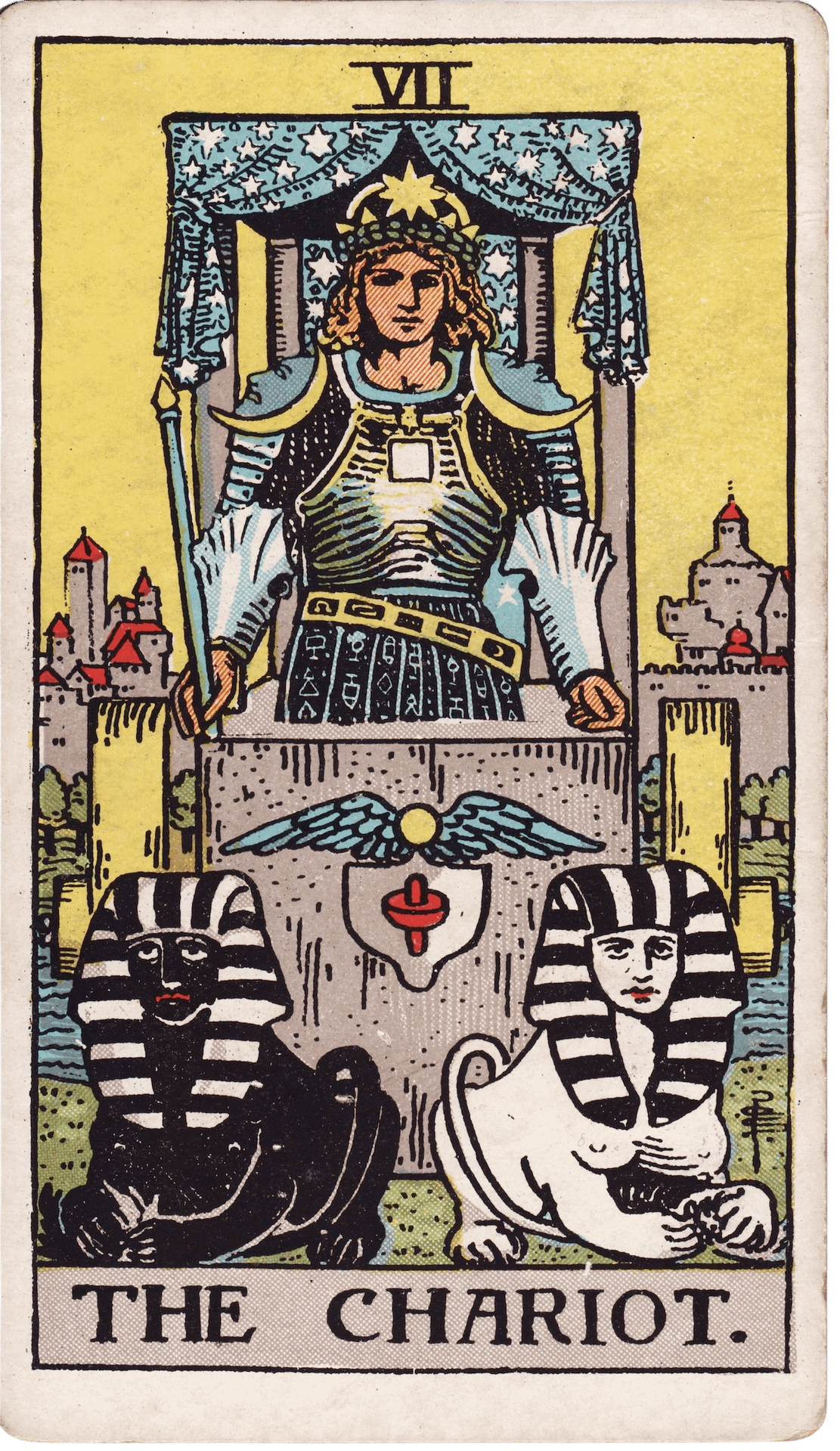
The Hierophant sits in the Conscious Realm, which covers the Magician through the Chariot. This is where you’re receiving tools and wisdom, encountering contradictions, and learning to move forward with both sides of yourself.
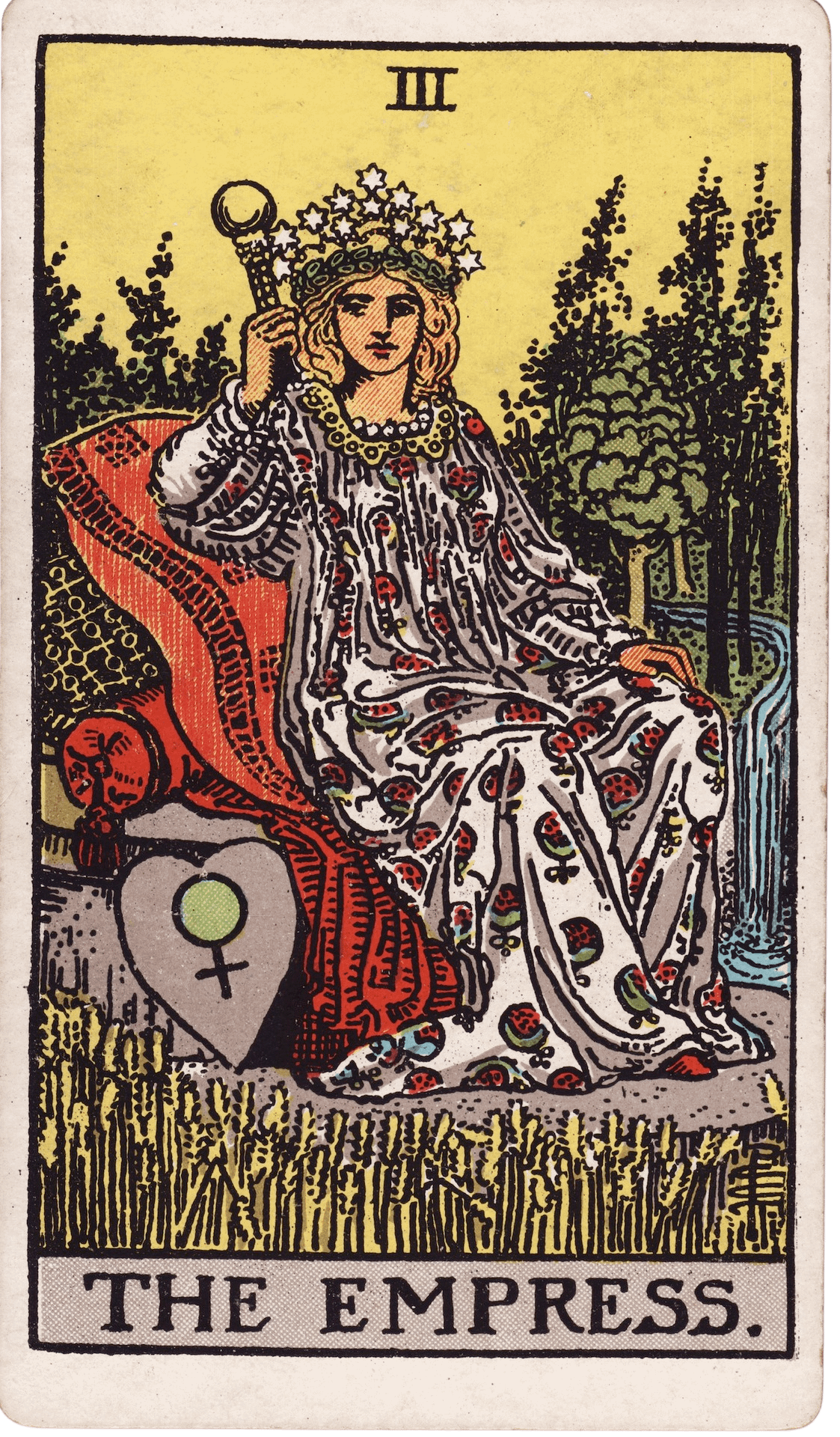
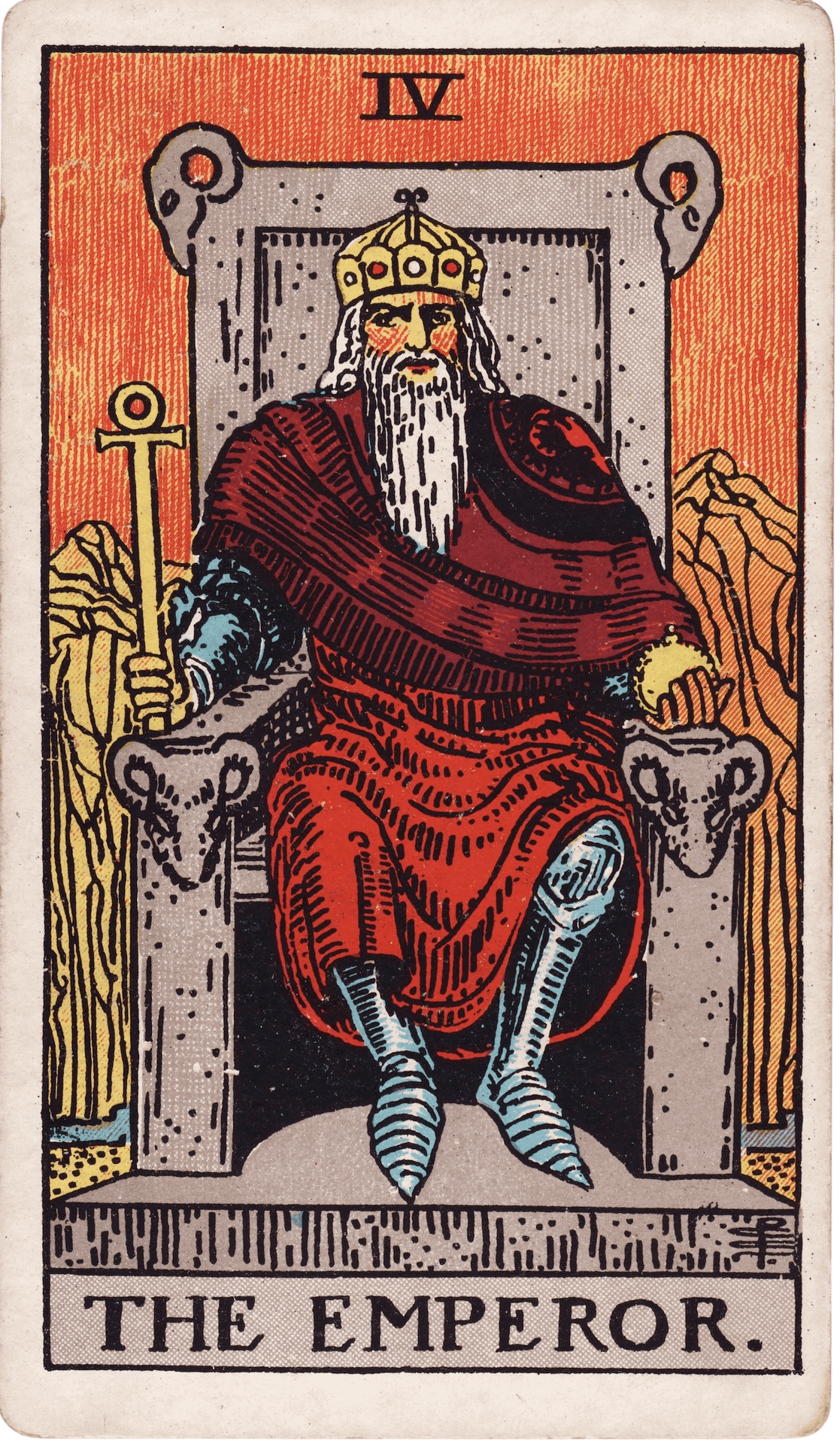
These cards deal with building yourself up. You’re being handed the tools for manifestation, told the answers are within you, learning about nurturing and structure. But the messages don’t always line up. The Empress says allow things to grow. The Emperor says take control and build. These cards ask you to figure out who you are and what you believe whilst holding contradictions that don’t resolve neatly.
The Hierophant and the Element of Earth
The Hierophant is connected to the element of Earth. Earth speaks to work, money, body, and resources. It’s grounding, practical, and slow-moving. This element shows where steady effort and patience are needed, and where you need to tend to the material foundations of your life.
Earth energy values security, tangibility, and results you can see. It doesn’t rush. When Earth is present, the work might feel slow, but it rewards dedication. Material concerns aren’t shallow. The physical world matters and looking after it is valid work.
The Hierophant Journalling Prompts
What beliefs or values ground me, and how can I honour them in my life?
Where am I feeling restricted by tradition, and how can I bring balance to my unique perspective?
How can I integrate lessons from my past without being limited by outdated beliefs?
Frequently Asked Questions about The Hierophant
What does The Hierophant mean in a tarot reading?
Tradition and learning. The Hierophant points to established knowledge, shared values, and systems that have stood the test of time. This card says there's something worth learning from the way things have been done before. It doesn't mean you can't question it, but it asks you to understand it before you decide to reject it.
Is The Hierophant a yes or no card?
Yes, particularly if your question involves following an established path, seeking guidance, or doing things by the book. The Hierophant's yes favours convention over rebellion. If you're asking whether to take the unconventional route, this card says probably not right now. There's a reason the conventional approach exists.
What does The Hierophant reversed mean?
You're questioning the rules and possibly for good reason. Reversed, The Hierophant suggests that the traditions or structures around you aren't serving you anymore. It can point to blind conformity, outdated beliefs, or institutions that have lost their integrity. This is the card that says it's time to think for yourself rather than follow someone else's playbook.
What does The Hierophant mean in a love reading?
Shared values matter here. The Hierophant in love readings points to commitment, compatibility on a deeper level, and relationships built on mutual respect and common ground. It can indicate a desire to make things official or move toward something more traditional. If values don't align, this card will surface that tension.
Does The Hierophant always mean religion?
No. The Hierophant's imagery is religious, but the card is really about any system of shared belief or structured learning. That could be a spiritual practice, but it could just as easily be education, mentorship, cultural tradition, or any community built around shared values. The card is about how knowledge gets passed down, not specifically about faith.
What does The Hierophant mean for career decisions?
Follow the process. The Hierophant in career readings favours working within existing systems, seeking mentorship, and learning from people who've done it before. This isn't the card for going rogue or reinventing the wheel. If there's a qualification, a course, or a mentor who could help, The Hierophant says take that path.
What do the two keys at The Hierophant's feet represent?
The crossed gold and silver keys represent access to sacred knowledge and the authority to interpret it. One key unlocks the conscious mind, the other the unconscious. They sit at The Hierophant's feet because this figure holds the ability to bridge those two worlds and pass that understanding on to others.
What is the connection between The Hierophant and The High Priestess?
They both deal with hidden knowledge, but they access it differently. The High Priestess works through intuition and inner knowing. The Hierophant works through teaching, tradition, and established systems. One says trust yourself. The other says learn from those who came before you. A reading with both suggests you need wisdom from both sources.
What does The Hierophant's triple crown represent?
The three tiers of the crown represent authority across three realms: the conscious, the subconscious, and the superconscious. It marks The Hierophant as someone who understands all three levels of experience. The triple crown also mirrors the three robes, reinforcing that this figure's knowledge spans the full depth of human understanding.
Who are the two figures kneeling before The Hierophant?
The two kneeling figures are initiates receiving teaching. They represent the process of learning within a structured system, where knowledge is passed from teacher to student. Their matching robes show they've committed to the same path. The Hierophant doesn't force them to be there. They've chosen to learn.
All Tarot Card Meanings
The rest of the Major Arcana