The Fool’s Journey in Tarot
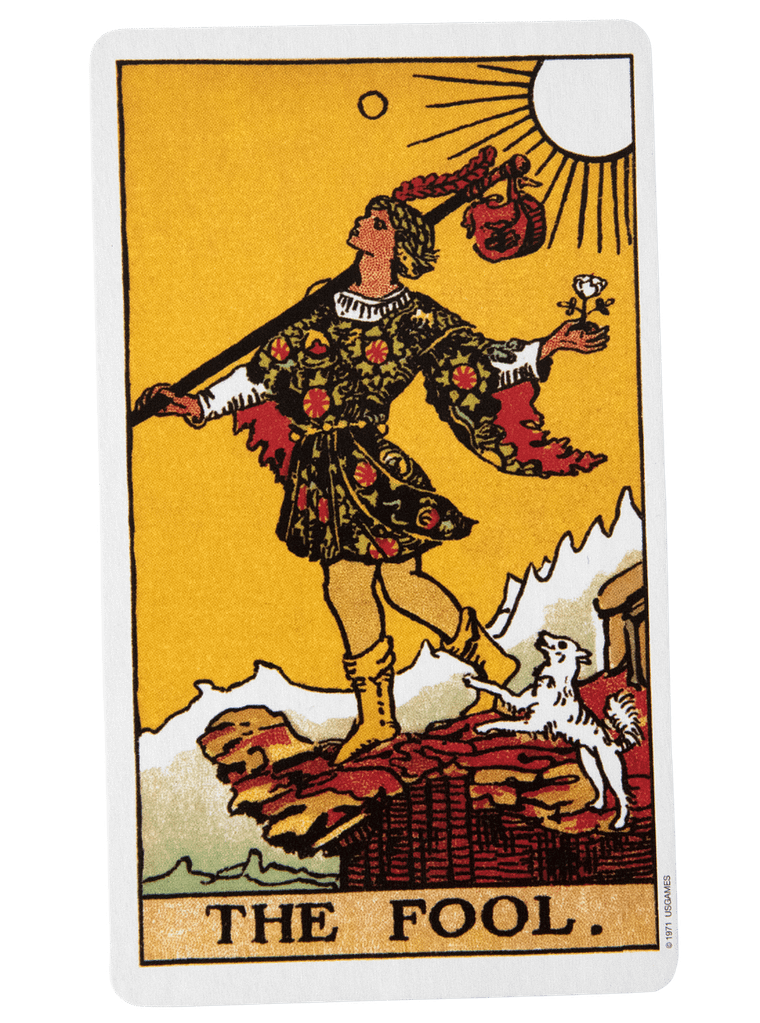
The Fool’s Journey is one way to understand the 22 Major Arcana cards – as a connected story instead of isolated meanings. It maps growth, challenge, and transformation from The Fool (beginnings) to The World (completion).
Not everyone reads the cards this way. Some readers ignore it completely. But it’s worth understanding because a lot of tarot teaching references this framework, and when you spot the pattern in a reading, it can be useful.
What is the Fool’s Journey?
The Fool’s Journey treats the Major Arcana as a narrative. The Fool (card zero) encounters experiences, archetypes, and lessons that shape who they become and how they see the world.
This helps you see how cards relate to each other. You’re not just learning individual meanings – you’re tracking the flow from curiosity through challenge to integration.
It’s not the only valid way to read the Majors. It’s one lens among many. Use it if it helps. Ignore it if it doesn’t.

Why the Fool’s Journey Matters
When you read the Major Arcana as one continuous story, connections between cards become more obvious. Themes evolve. Lessons from one stage influence the next. Patterns show up and recur.
This can deepen your readings. It turns a collection of symbols into a coherent narrative.
You can also use it for personal reflection. Where are you in this story right now? What stage matches what you’re going through? What might be ahead if you keep moving in this direction?
You don’t have to believe you’ll experience every card in order. Most people don’t. But recognising the pattern when it shows up? That’s useful.
The Conscious Realm of the Fool’s Journey
The first part of the journey is about your personality and your ego. Self-definition, learning, building skills, making intentional choices. You’re figuring out who you are and what you’re capable of.
These cards are active and outward-facing. You’re still in control. You’re shaping your identity through the decisions you make and the actions you take.
In readings, conscious realm cards show situations where effort, confidence, and focus will move things forward. Where you need to clarify your goals and act with intention.
This part of the journey reminds you that you have agency. You can shape your circumstances through informed choices, even when things feel uncertain.
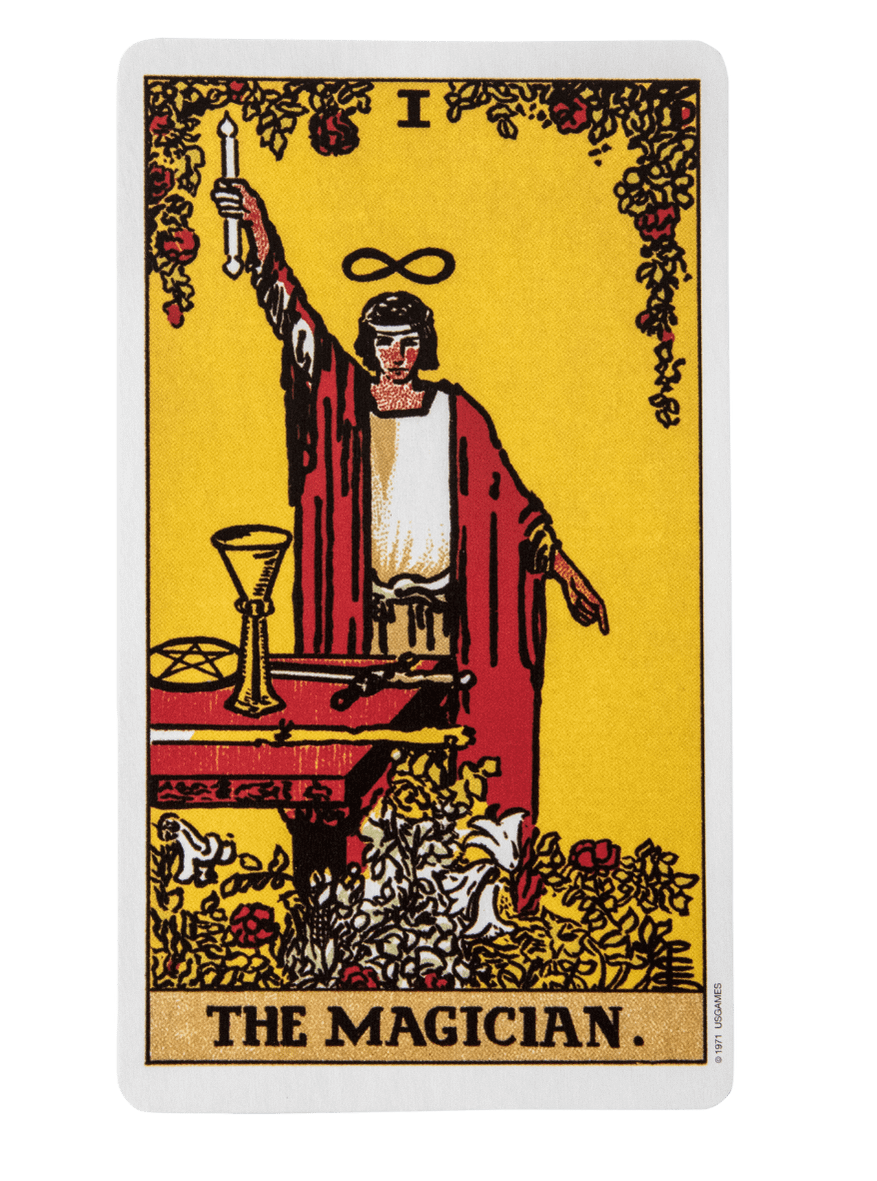
The Magician
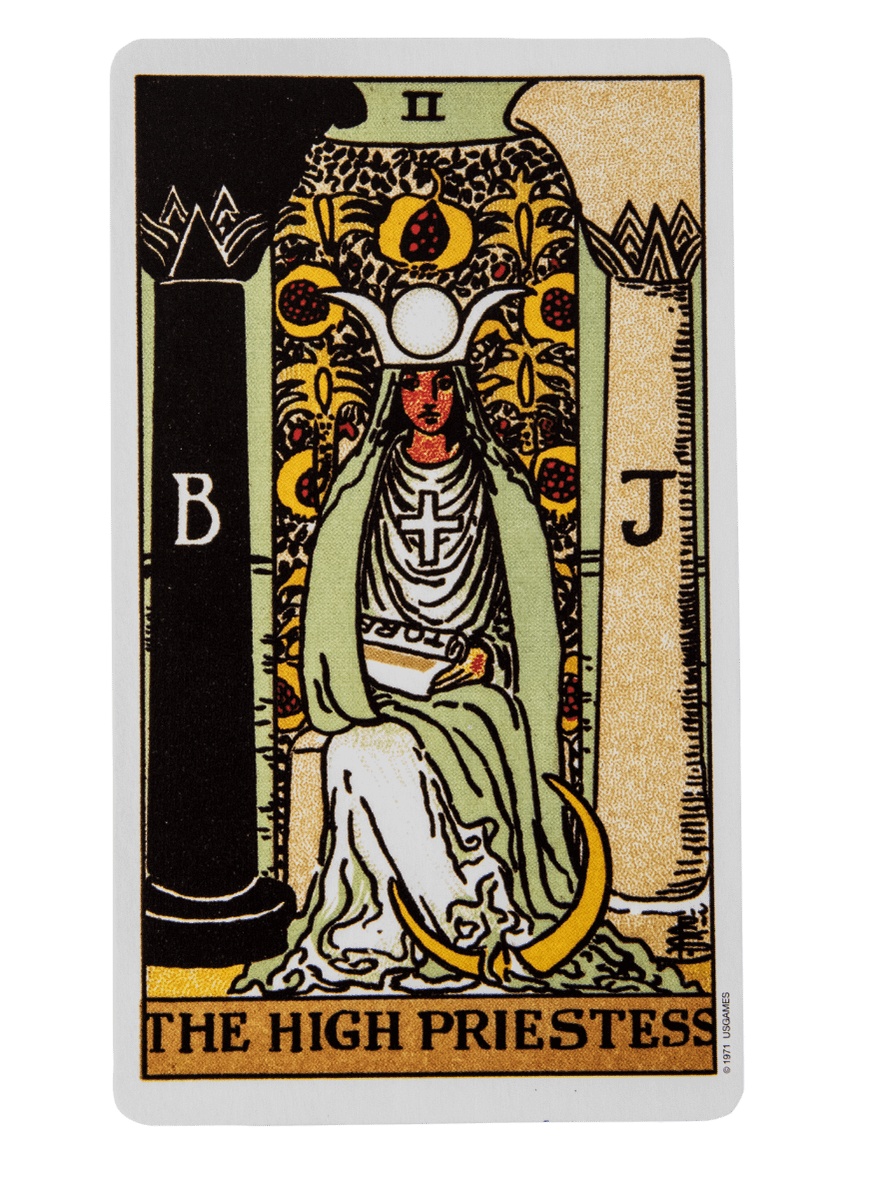
The High Priestess
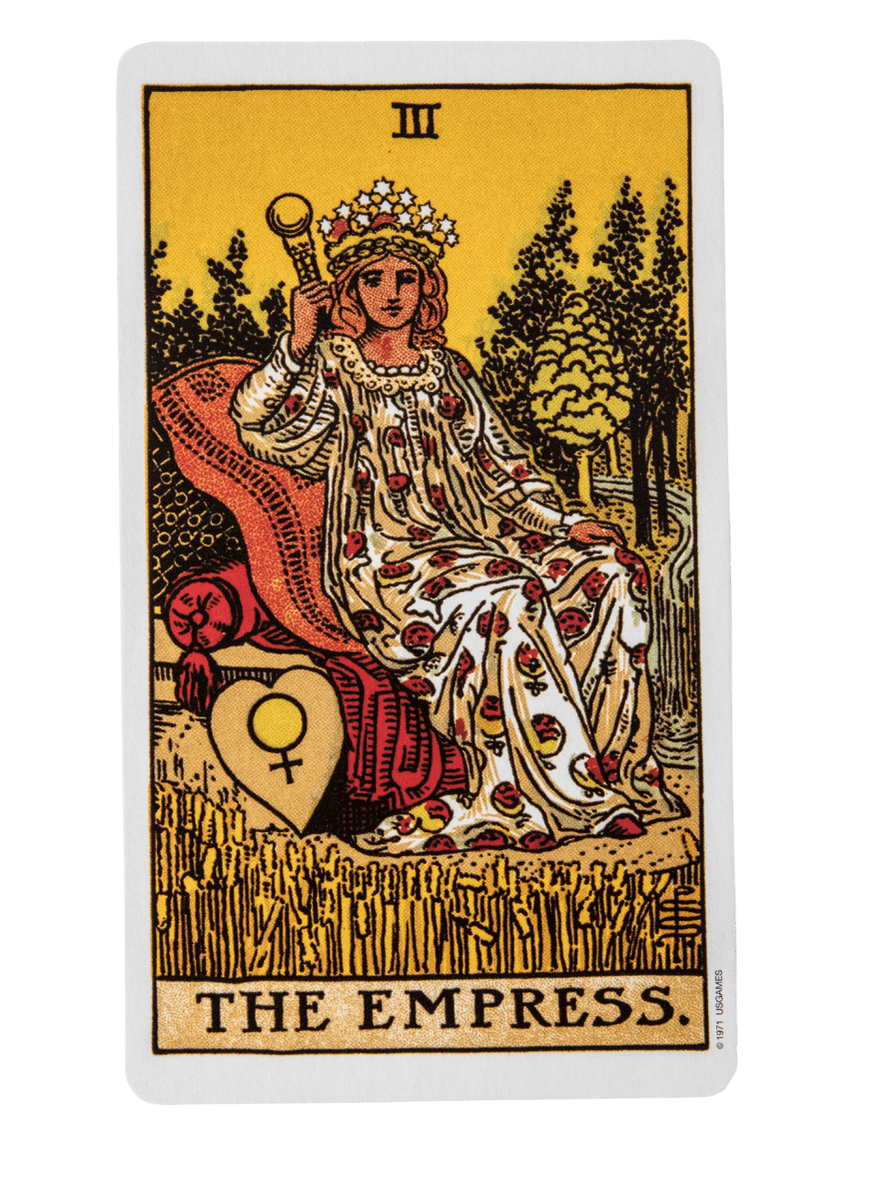
The Empress
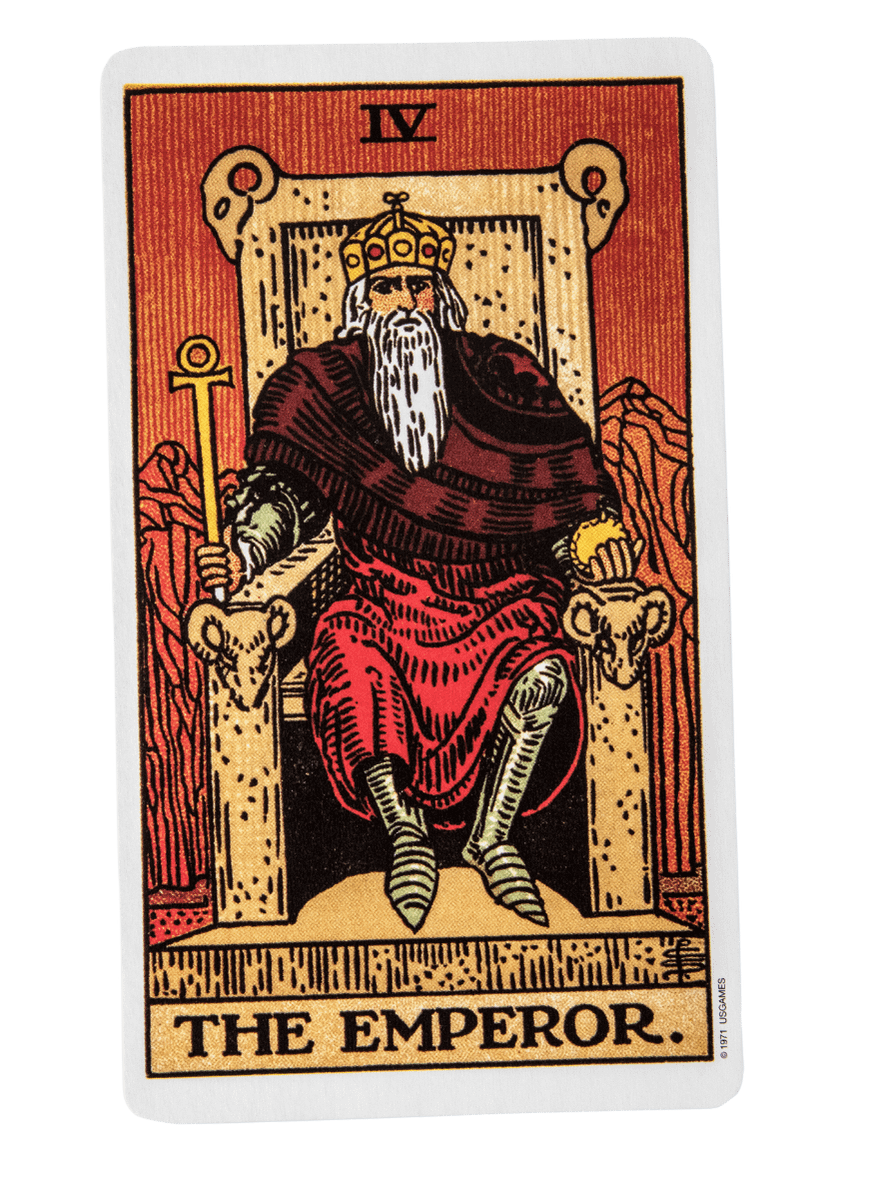
The Emperor
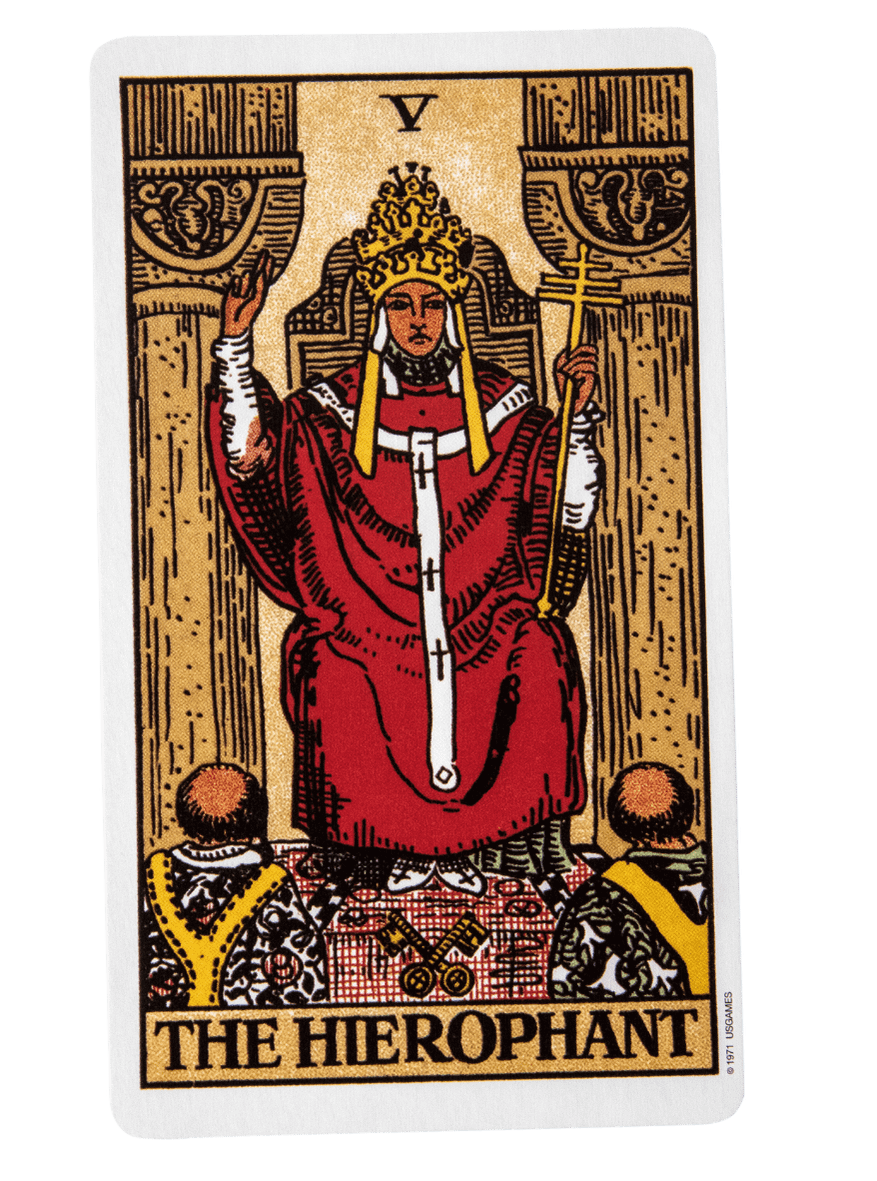
The Hierophant
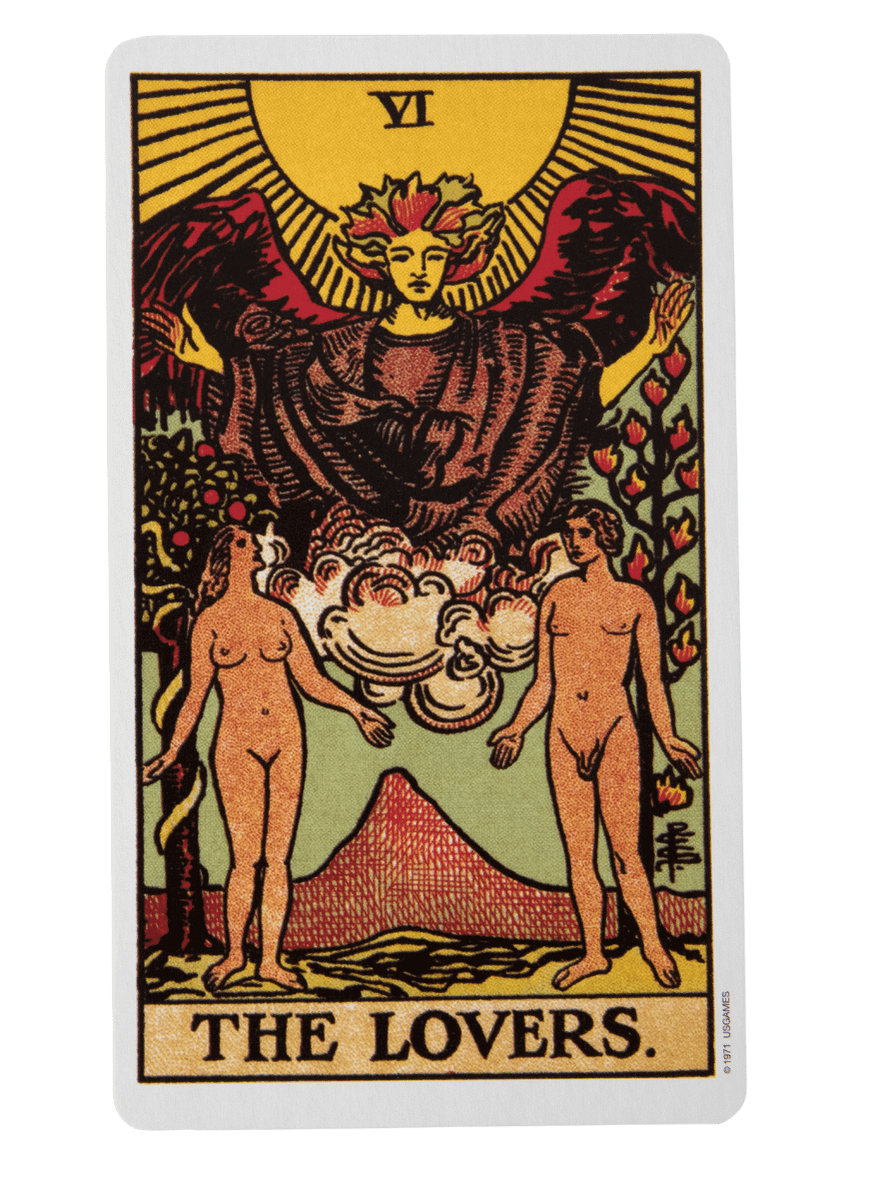
The Lovers
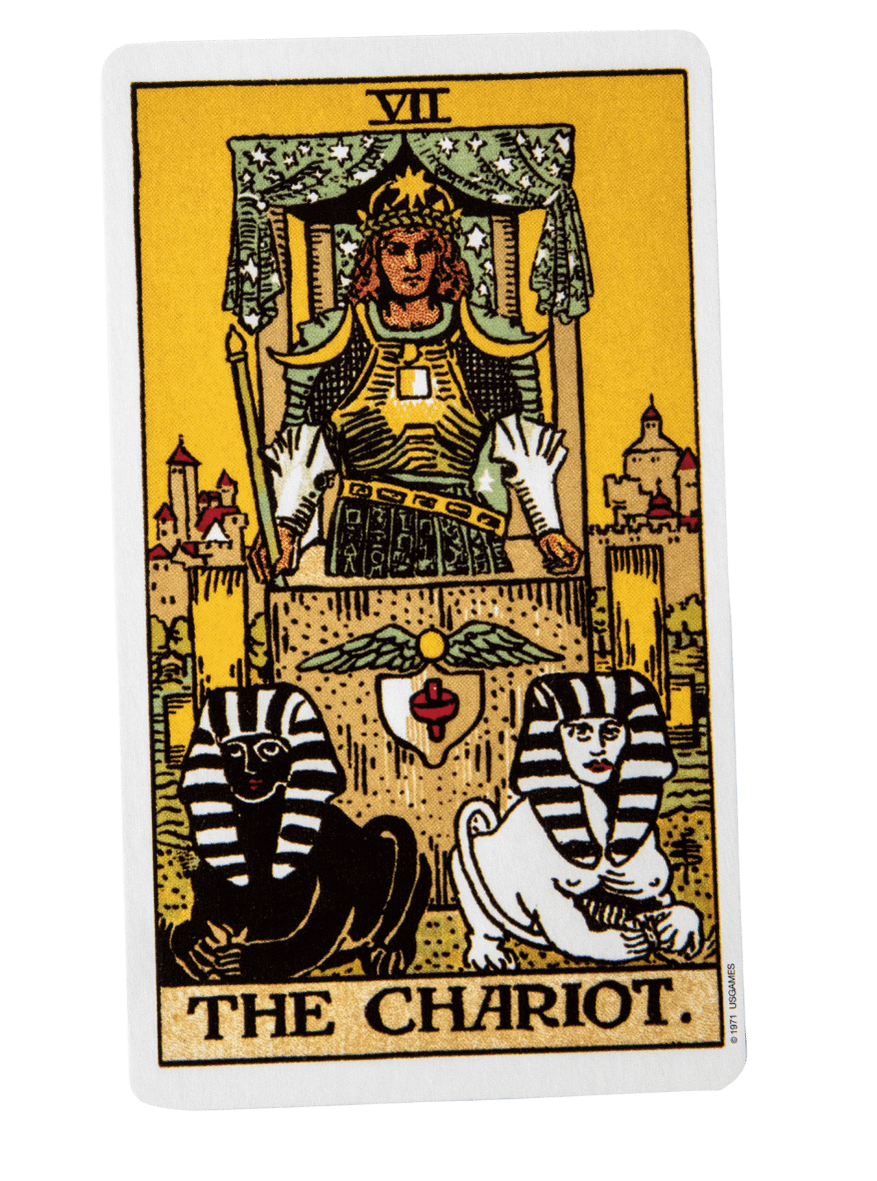
The Chariot
The Unconscious Realm of the Fool’s Journey
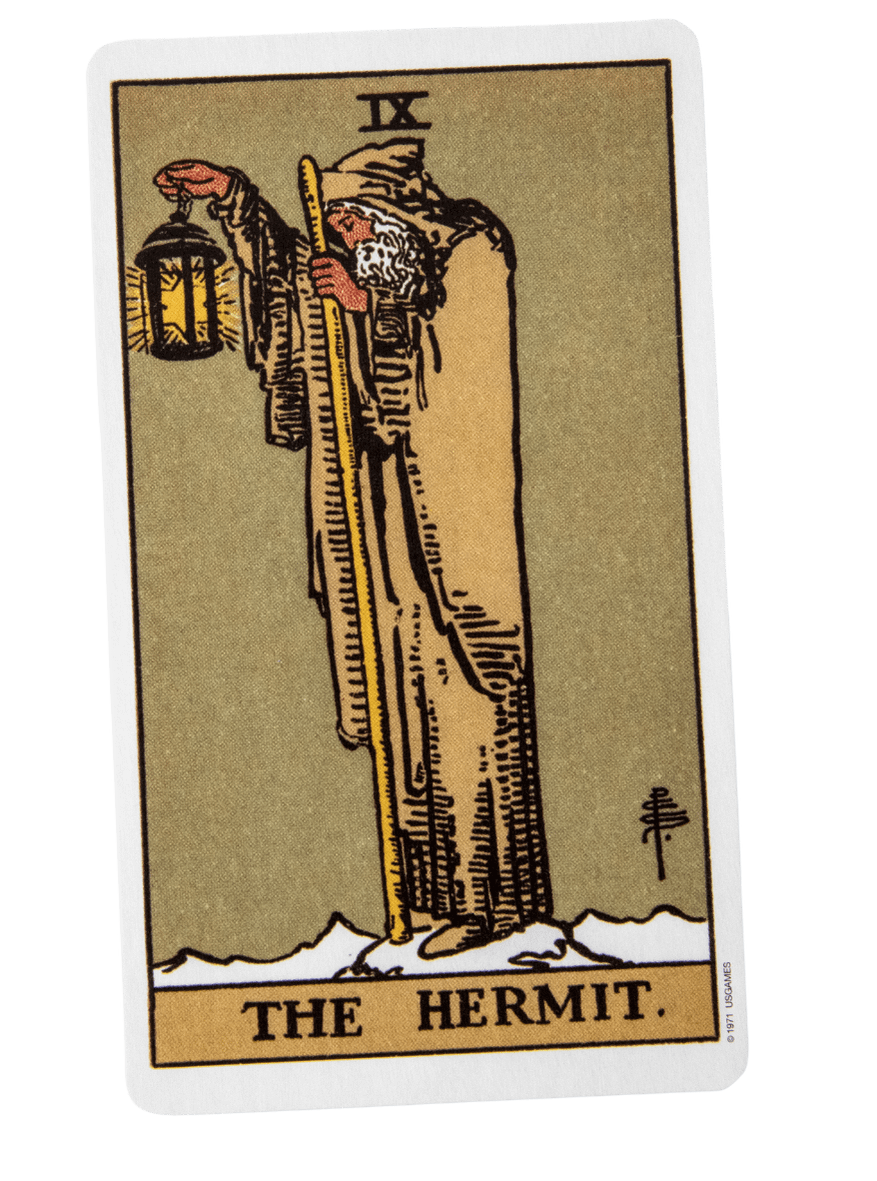
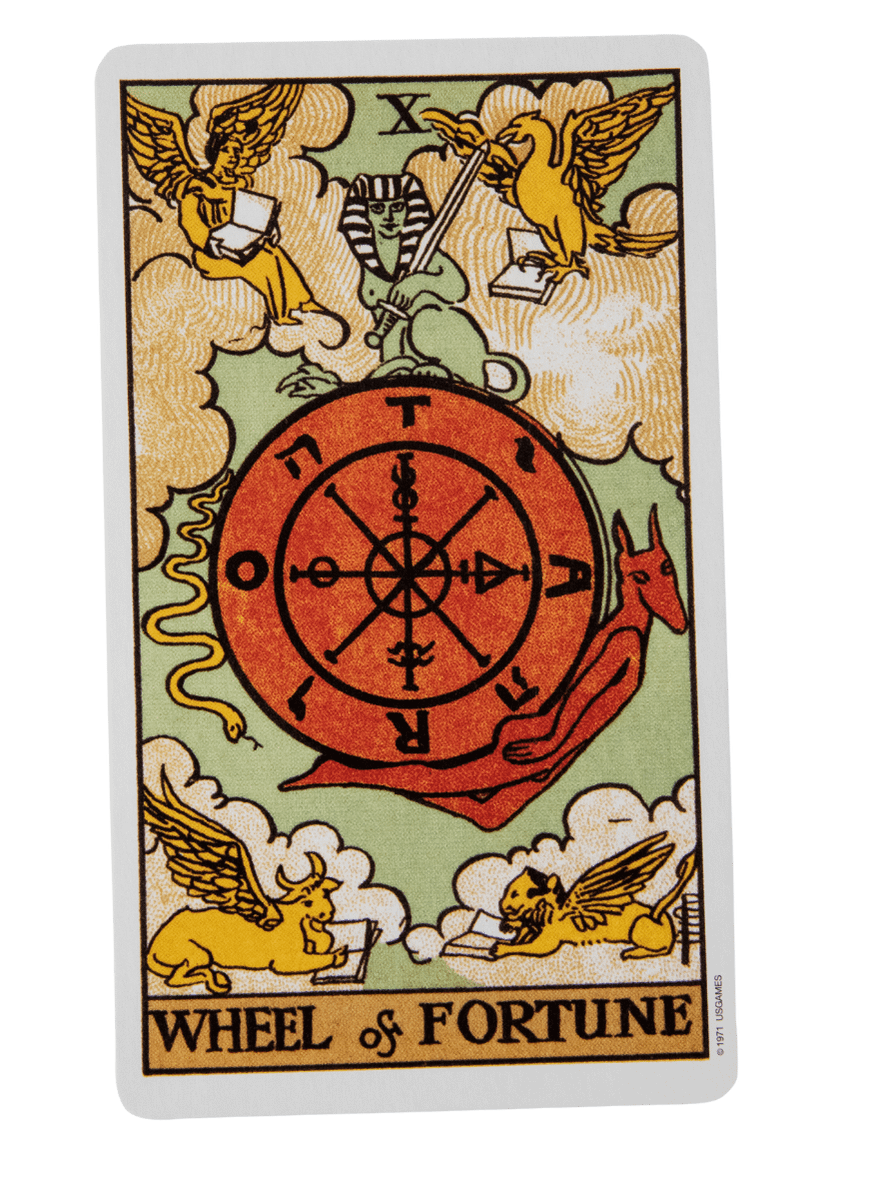
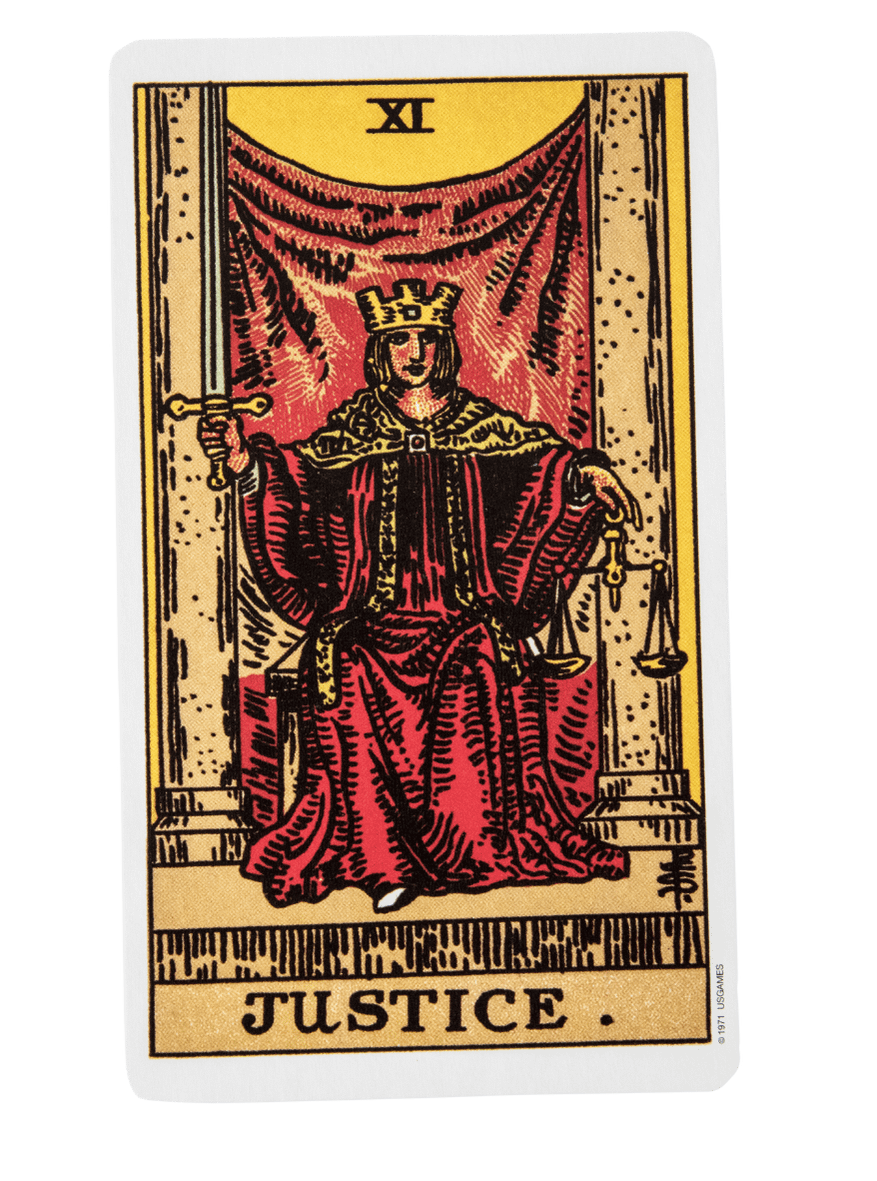
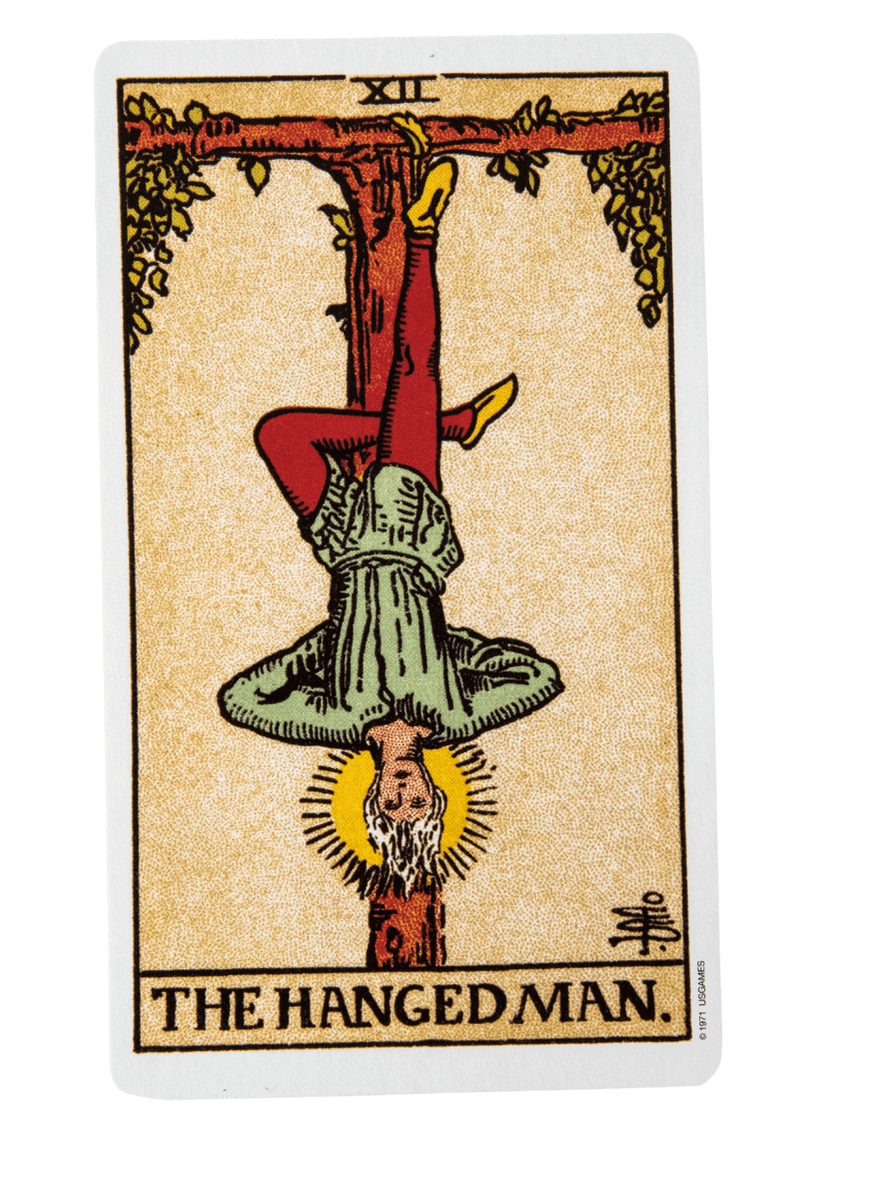
This is where you deal with the stuff you’ve been pushing down. Your emotions, your triggers, your shadow. The things you can’t control or force.
Cards like The Chariot mark the transition – you’re moving from your personality and ego into the unconscious. From what you present to the world into what you’ve been avoiding.
This stage involves loss, honesty, transformation that happens whether you’re ready or not. It’s messy. You can’t manage your way through it. You have to release control and let the process unfold.
In readings, unconscious realm cards indicate inner change happening beneath the surface. They call for patience – actual trust that growth happens in its own time, not through immediate action but through reflection and waiting.
It’s uncomfortable. That’s how you know you’re doing it right.
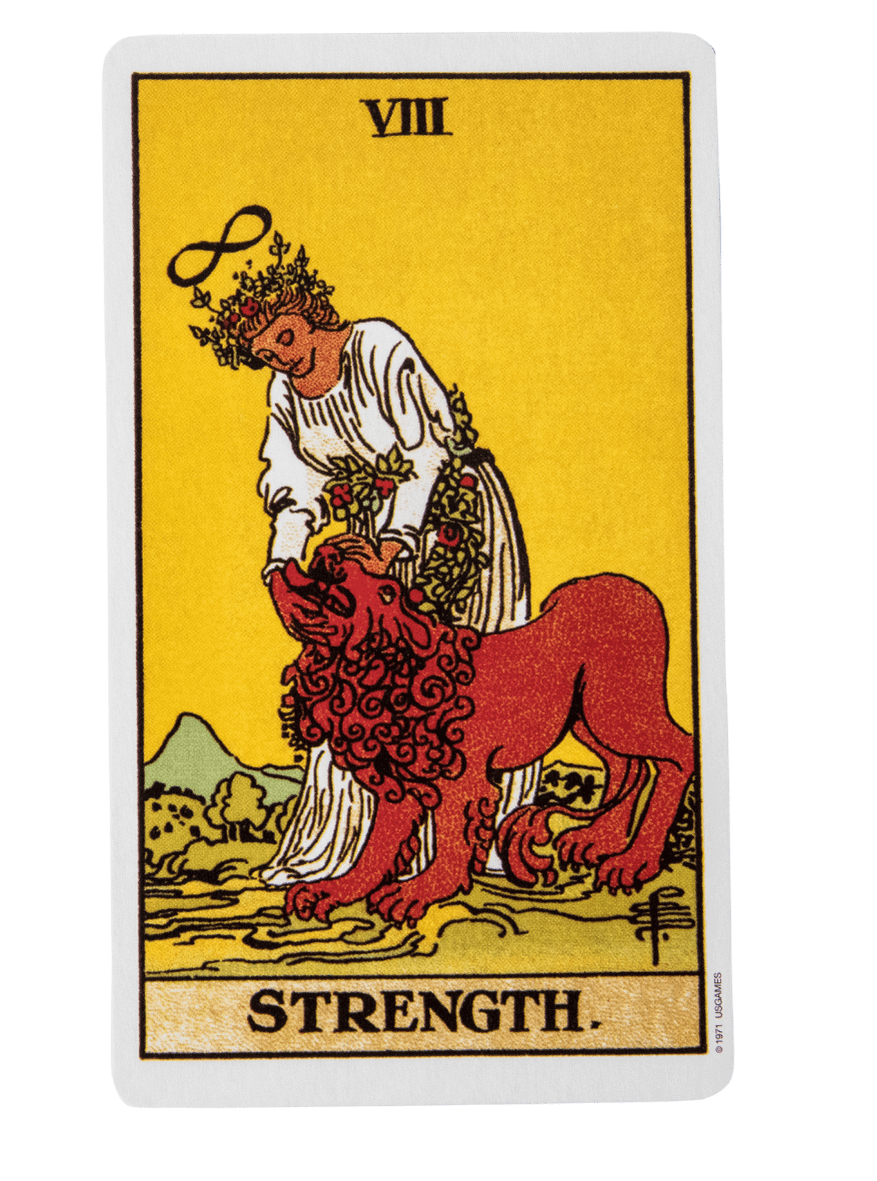
Strength
The Hermit
The Wheel of Fortune
Justice
The Hanged One
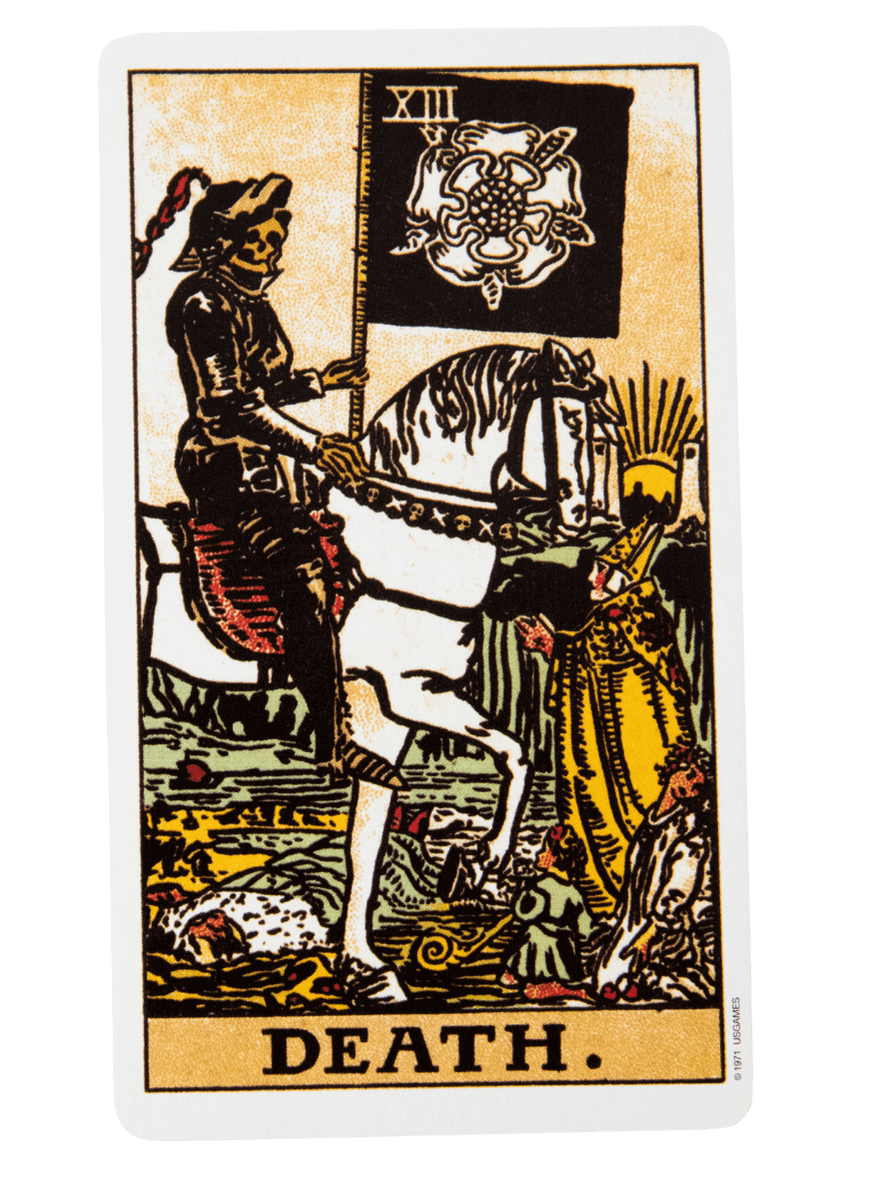
Death
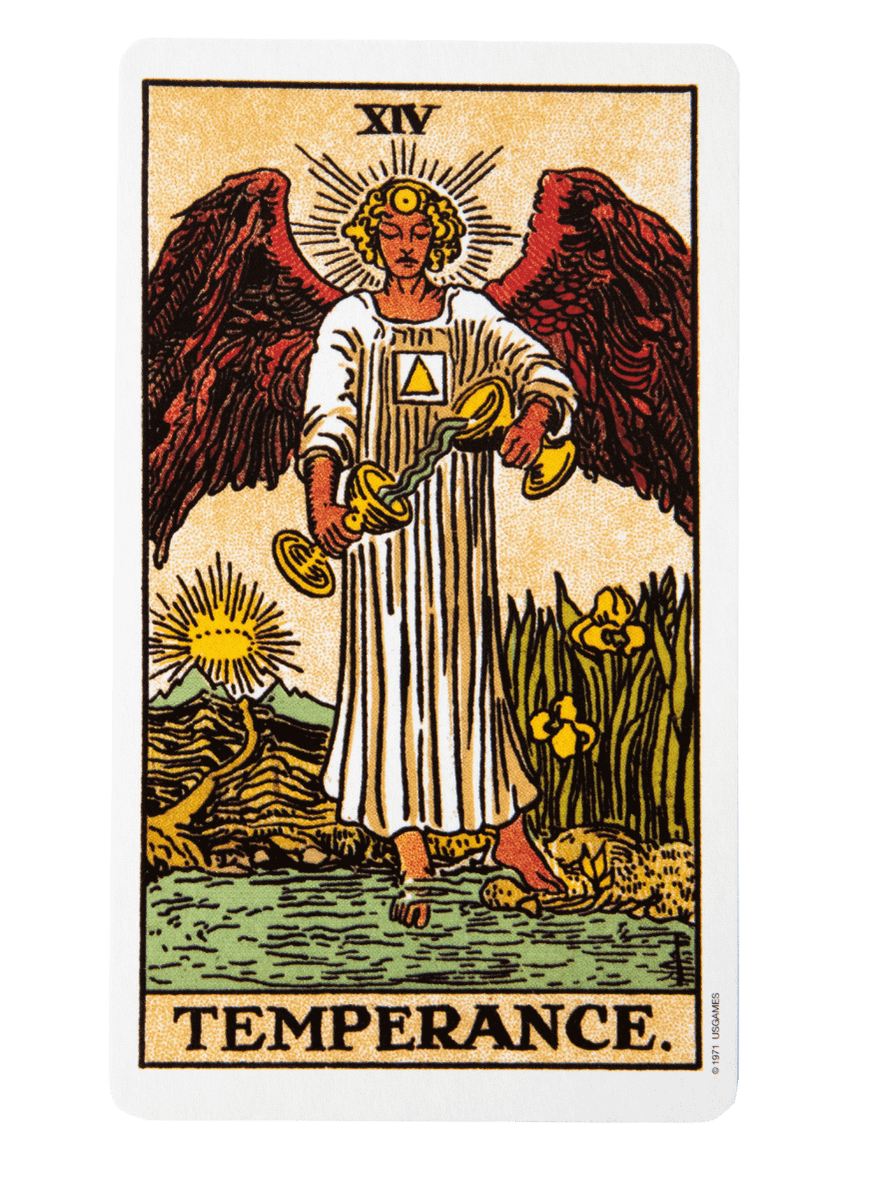
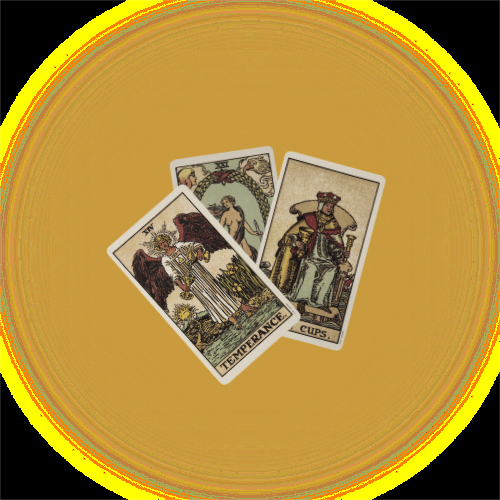
Temperance
The Superconscious Realm of the Fool’s Journey
The third part is about coming back into the world and engaging spiritually. Integration, clarity, alignment. You’ve done the work – built yourself up, faced your shadow – and now things click into place.
Cards like Temperance mark this transition – moving from the unconscious realm into the superconscious. From your emotions and triggers into something broader and more integrated.
Think of it as having an on-stage life and a backstage life. Who you are in public versus who you are behind closed doors. Your work self versus your home self. The superconscious asks: do you have integrity? Are you the same person wherever you go, or are you wearing different hats in different situations?
In readings, superconscious realm cards show where everything’s coming together. Where your inner understanding and your outer circumstances start to align. Where you can actually use the wisdom you’ve gained instead of just intellectually understanding it.
You’ve integrated the lessons. Now you step into whatever’s next with grounded confidence.
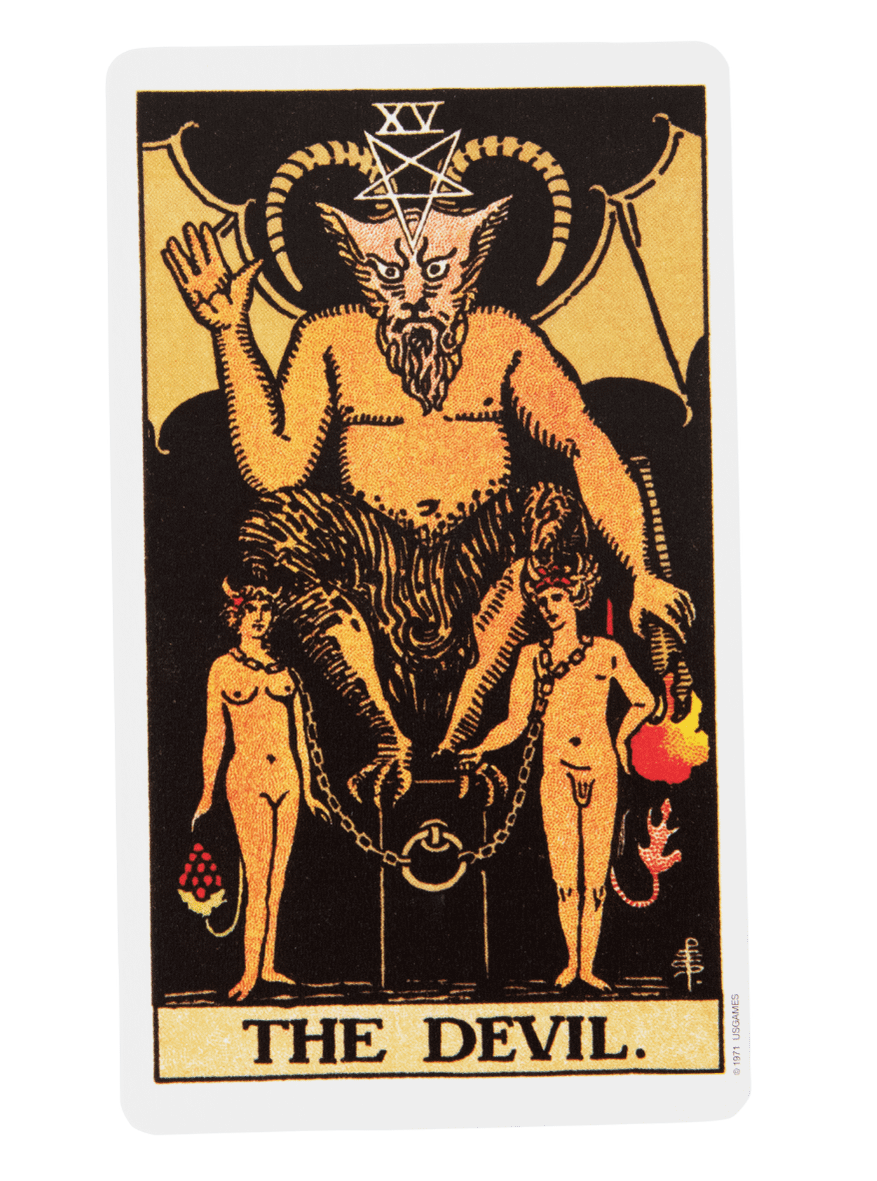
The Devil
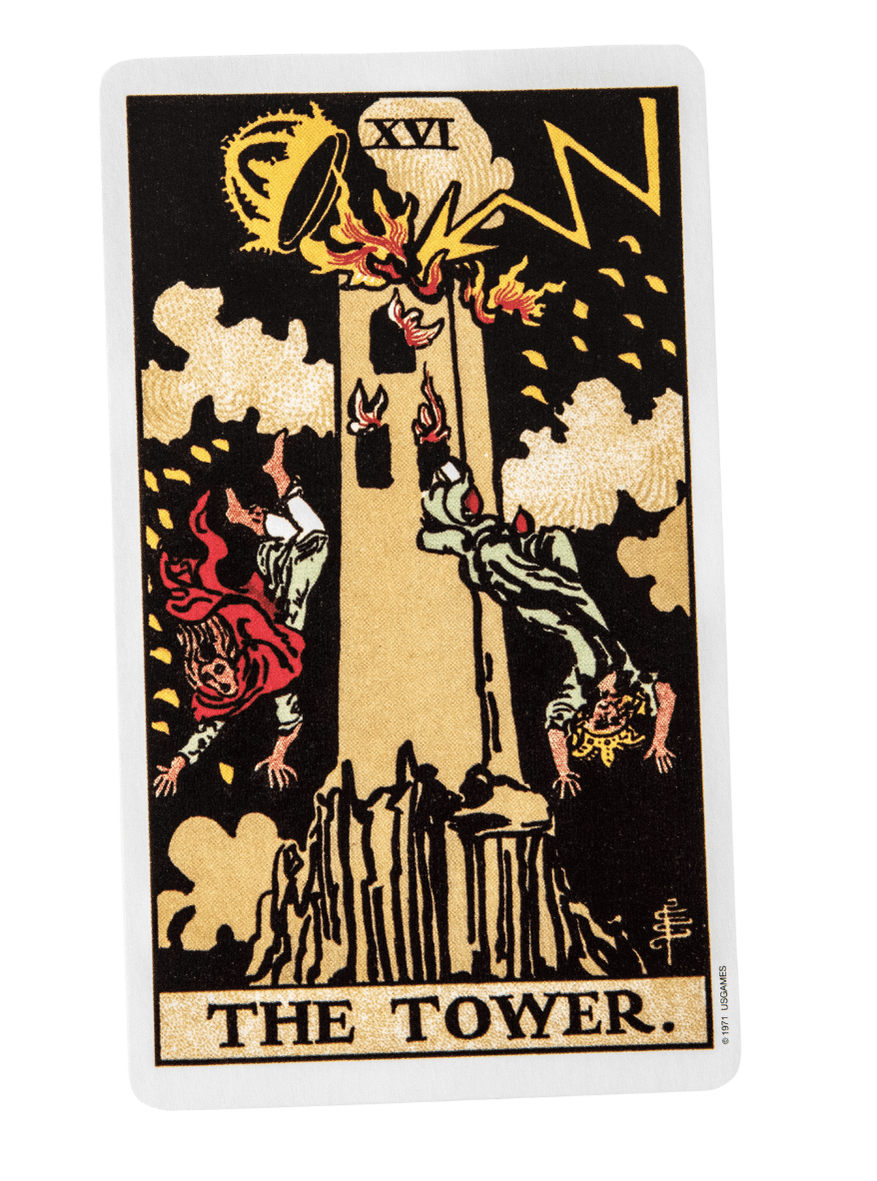
The Tower
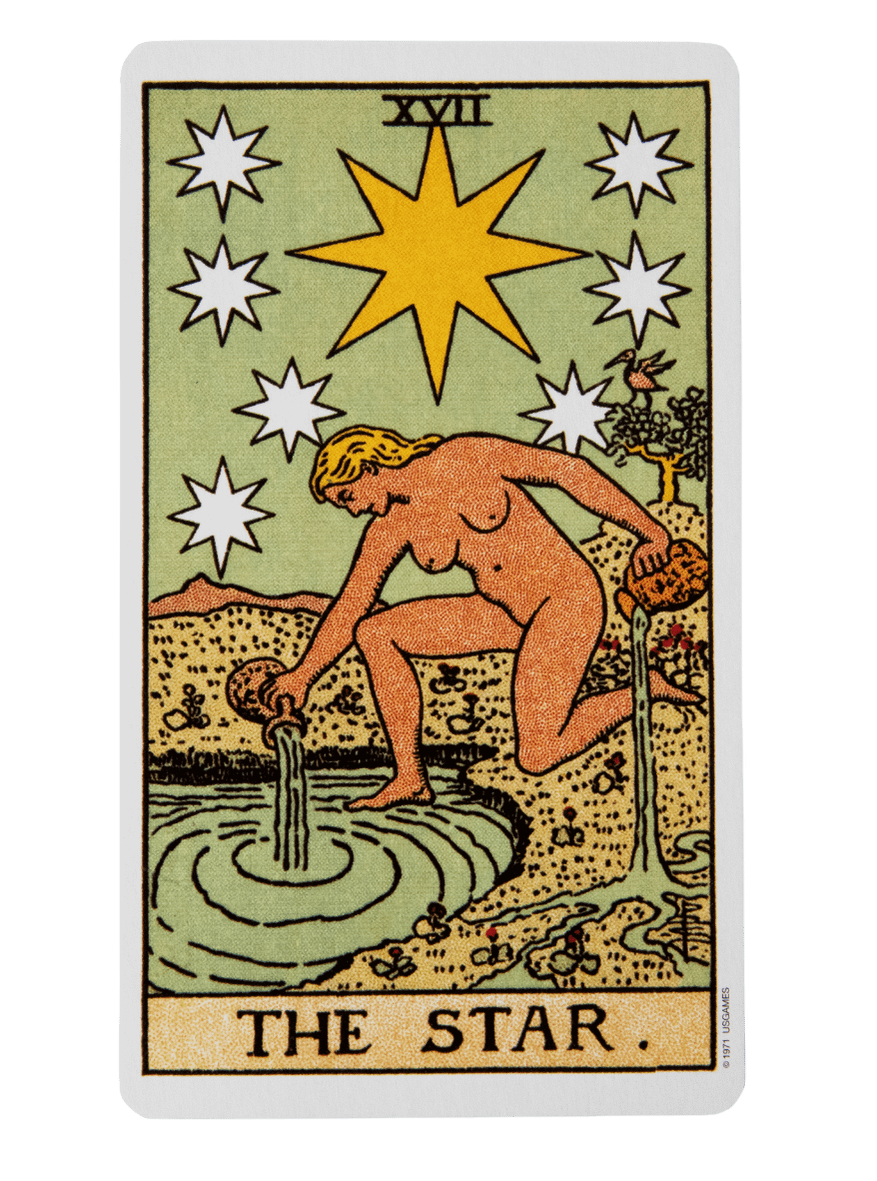
The Star
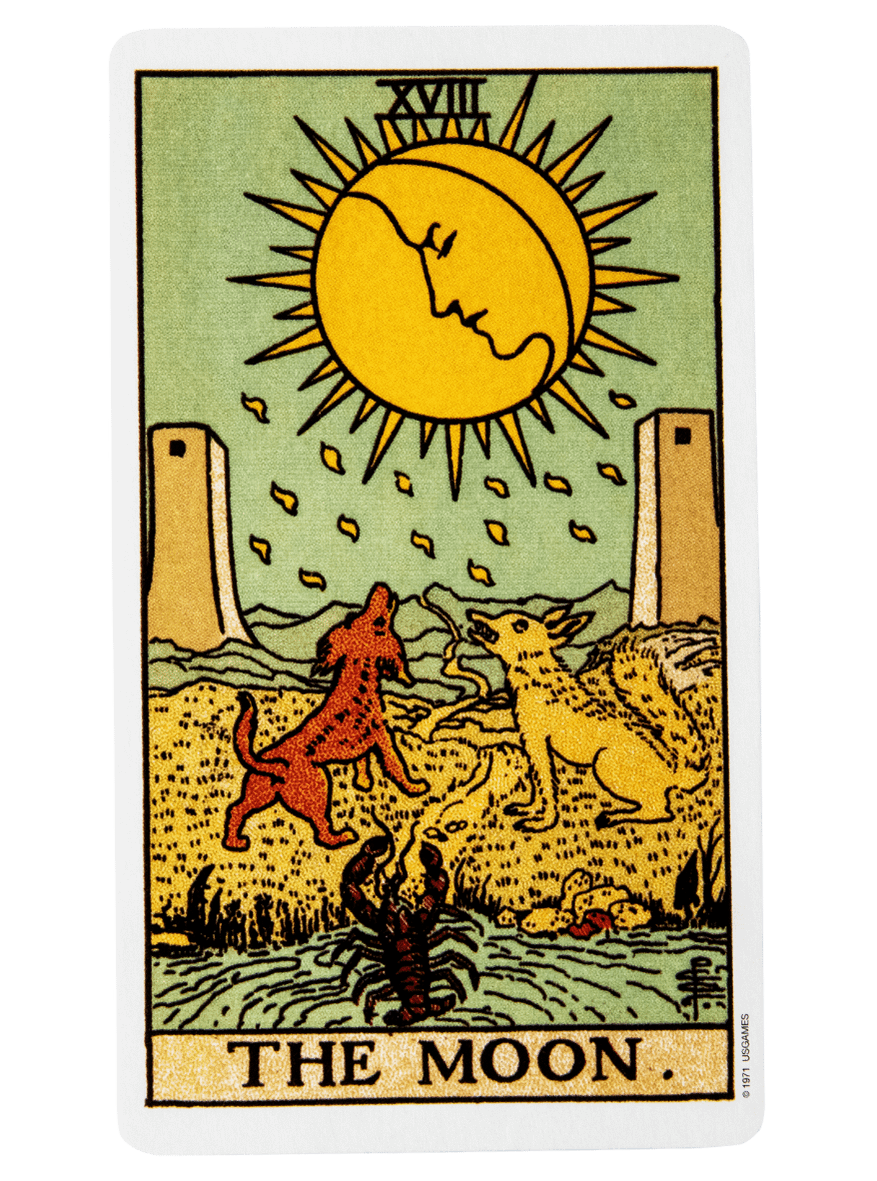
The Moon
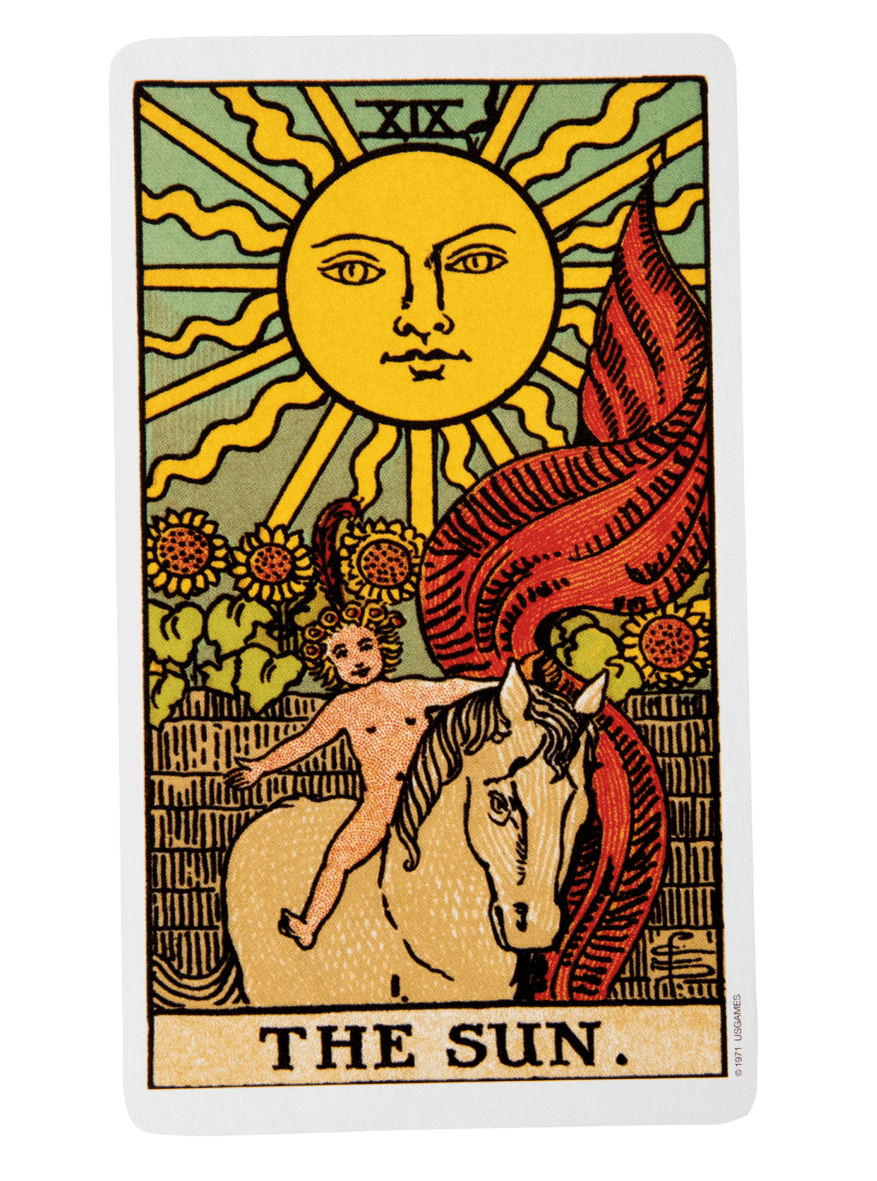
The Sun
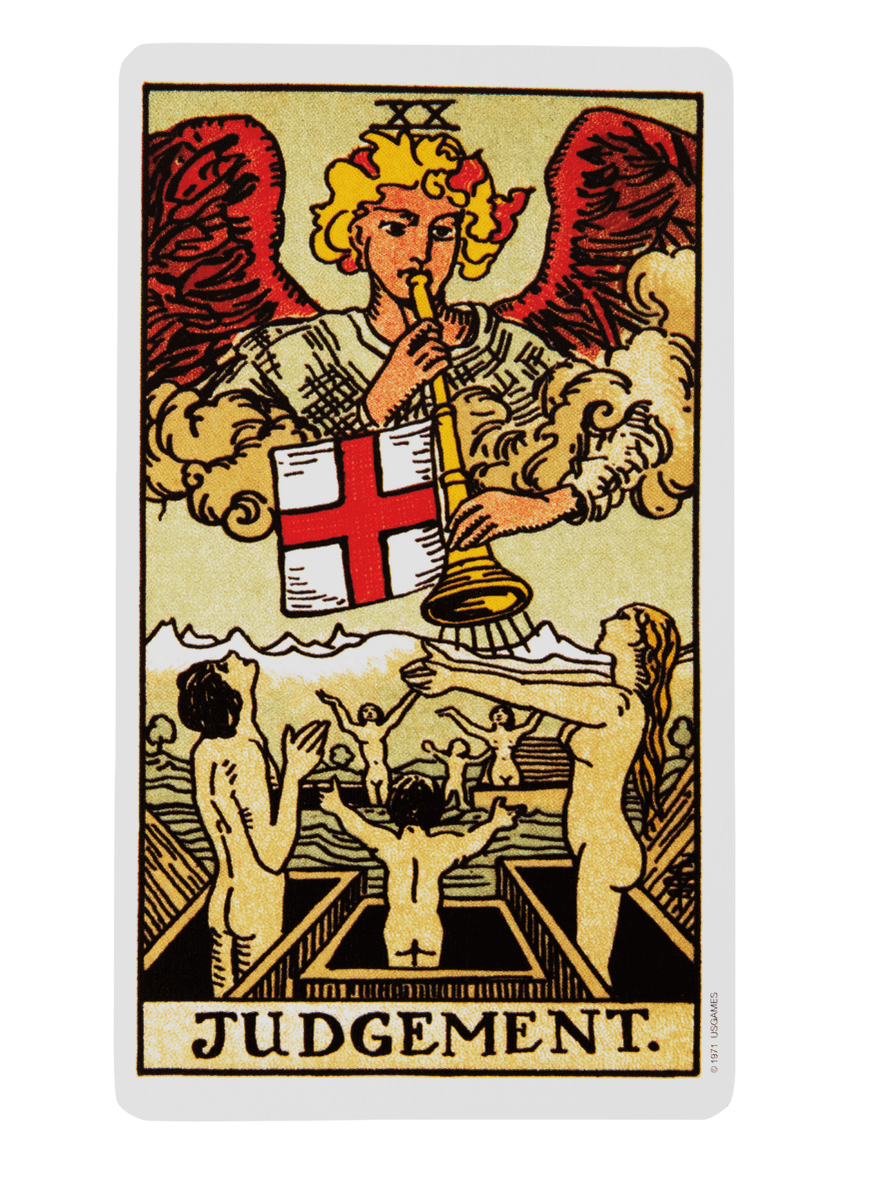
Judgement
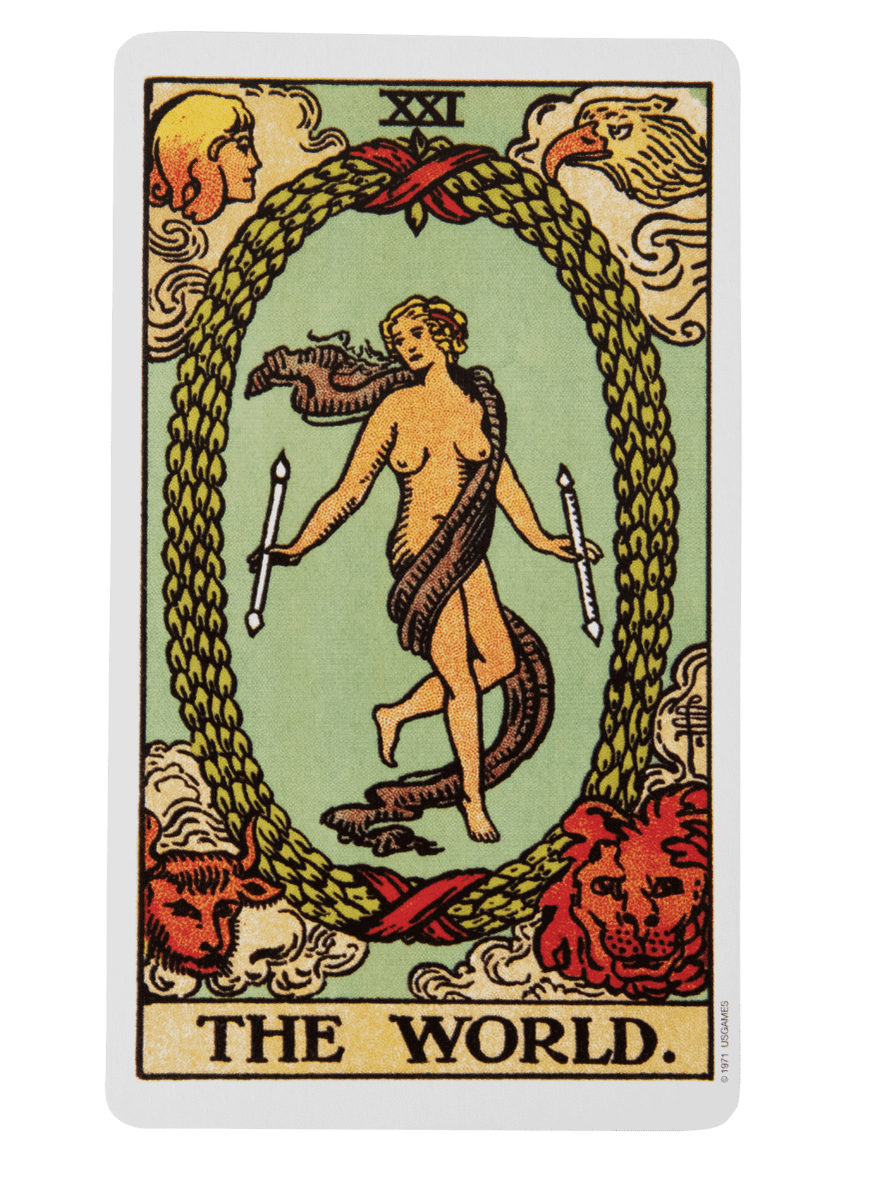
The World
How to Use the Fool’s Journey in Readings
Look at where Major Arcana cards land in the sequence. Early cards might point to building and learning. Middle cards often indicate shadow work and transformation. Later cards suggest integration and completion.
Group cards by realm to see what’s most active. All conscious realm? Someone’s in building mode. All unconscious? They’re dealing with the hard internal stuff. Superconscious? Things are integrating.
Use it as context for understanding the bigger pattern. It doesn’t dictate what must happen next – it just helps you see where someone is in the journey and what that stage typically requires.
Some readers use this framework heavily. Others don’t touch it. Both approaches work. Find what makes sense for you.
Frequently Asked Questions
What is the Fool’s Journey in tarot?
The Fool's Journey is the story told through the 22 Major Arcana cards. It's a map of growth, challenge, and transformation where each card represents a stage – the archetypes and lessons most people encounter at some point in their lives. Not everyone experiences them in order, and you don't have to believe in it for the cards to be useful, but it's a framework that helps you see how the Majors connect.
Is the Fool’s Journey fixed?
No. It's not a rigid path you must follow step-by-step. People revisit earlier stages, skip ahead, or experience cards completely out of order depending on what's happening in their lives. It's a symbolic guide that helps you recognise patterns, not a rulebook that dictates what must happen next. Use it as a lens, not a script.
Do you have to know the Fool’s Journey to read tarot?
Not at all. Plenty of readers work without it and do just fine. I teach it because it's an accessible framework that shows how the Major Arcana fits together. It can make learning faster by giving you context instead of just memorising 22 separate meanings. But it's one approach among many – not the only valid way.
How can the Fool’s Journey help me learn tarot
It gives you a bigger picture instead of isolated meanings. You see the cards as connected stages of a story, which makes them easier to remember and read in context. Instead of thinking "what does The Tower mean?" you're thinking "where does this fit in the journey and what does that tell me?" I cover this in depth in my Simply Tarot course.
