All Tarot Card Meanings
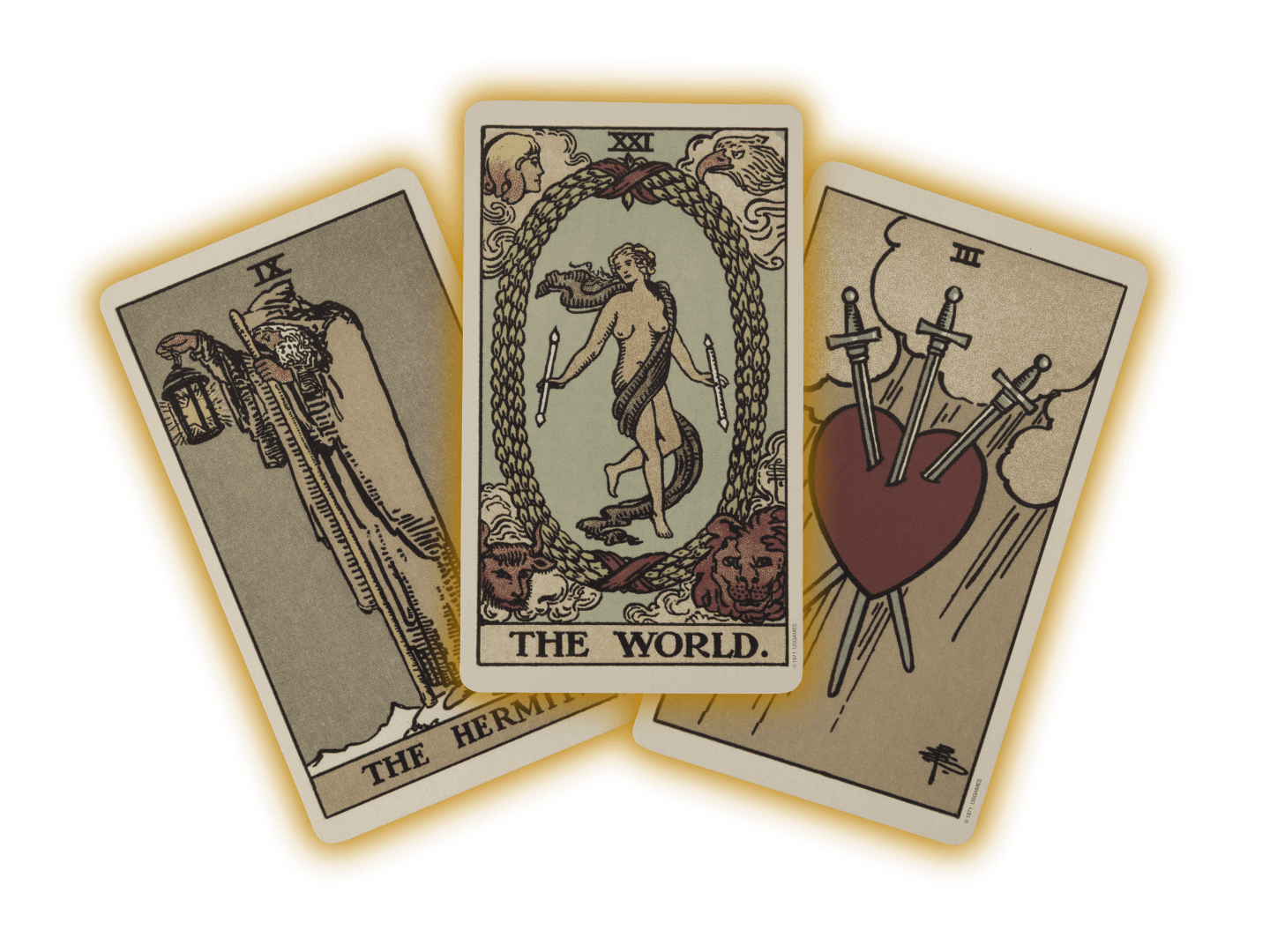
If you’ve pulled a card and have no idea what it means, you’re in the right place. If you’re trying to get your head around tarot properly and want a solid reference point, also the right place. And if you’ve been reading for a while and just need to look something up, same.
All seventy-eight cards are here, each with their own page breaking down the symbolism, upright and reversed meanings, and how the card tends to show up across different areas of life.
Take the Tarot Card Meanings With You
These pages are free and they are staying free. But you cannot take a website into a reading, and the moment you actually want a card meaning is usually the moment you are nowhere near a laptop.
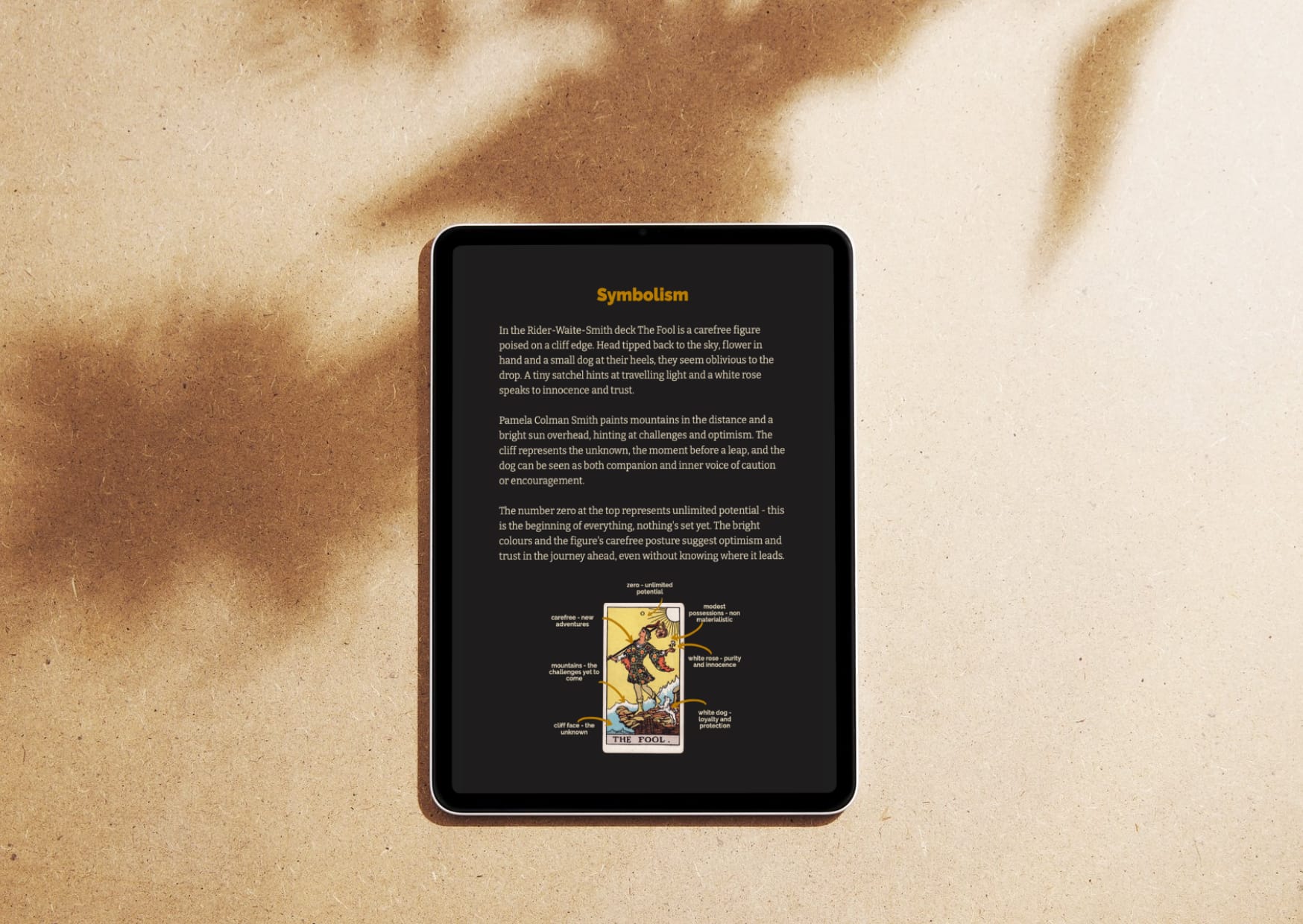
Simply Tarot Fundamentals is the whole lot in one book. Over five hundred pages, all seventy-eight cards, the symbolism, the keywords, upright and reversed, and how each one tends to turn up in a real reading. It costs £5, and it comes free with the membership.
Build a Relationship With the Cards, Not a Memory of Them
I’ve read a lot of tarot books. They’ve all fed into how I read. But none of them made me a better reader. The readings did that.
These pages give you the fundamentals. The traditional meanings, the symbolism, the keywords. And that’s genuinely useful. But it’s a starting point, not an endpoint. The readers who actually get good at this aren’t the ones who’ve memorised the most. They’re the ones who’ve spent the most time sitting with the cards, noticing what they see, and building their own sense of what each one means.
If you look at the individual card pages, you’ll see a section called Gord’s Thoughts on each one. That’s my personal read on the card. Sometimes it lines up with the traditional meaning, sometimes it goes somewhere different. It’s there because I want you to see that your interpretation matters. There’s no single correct answer. There’s just you, the card, and what it’s pointing at in this moment.
Gord’s Tarot Journal is where I collect all of that. My interpretations, the stories I tell in actual readings, the ways my thinking shifts over time. It’s a living document, not a finished one, and it’s exclusive to Simply Tarot Members. There’s a preview on every card page. You can get access as part of Simply Tarot Membership.
The Only Thing That Actually Builds Confidence
Here’s the bit nobody wants to hear: you can read every card meaning page on this site and still freeze up the moment you try to do a real reading. Because reading about tarot and reading tarot are two completely different things.
What actually builds confidence is doing readings. Lots of them. For yourself, for other people, for anyone who’ll sit still long enough. That’s it. That’s the whole secret.
The problem is most people don’t have anyone to practice with, and practising alone has limits. That’s why I run Simply Tarot Circle every week. A live session on Zoom where members read together, work through cards, ask questions, and build that confidence with other people who are figuring it out at the same time. It’s not a lecture. It’s practice.
Simply Tarot Circle is part of Simply Tarot Membership, along with Gord’s Tarot Journal, Simply Tarot Fundamentals PDF, and 20% off readings. Fifteen quid a month (roughly $19 USD) or £150 if you get it annually.
Major Arcana Meanings
Twenty-two cards. The big ones.
The Major Arcana covers the significant stuff. The turning points, the deep patterns, the moments in life that genuinely ask something of you. When these cards show up in a reading they’re usually worth slowing down for.
They run from The Fool through to The World, and between those two points they cover pretty much every major human experience going.
Minor Arcana Meanings
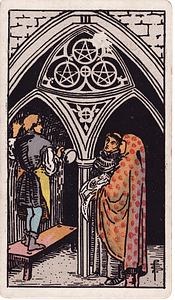
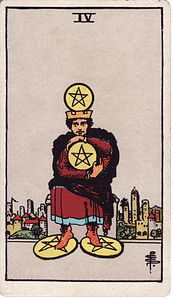
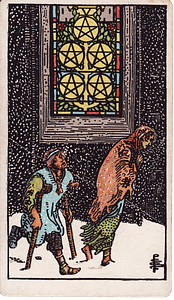
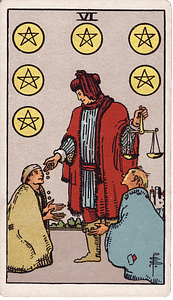
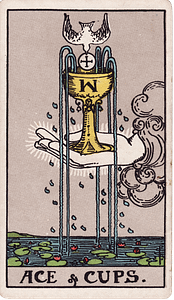
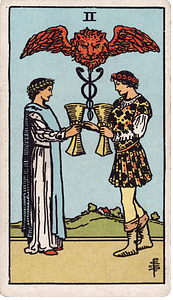
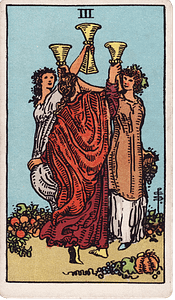
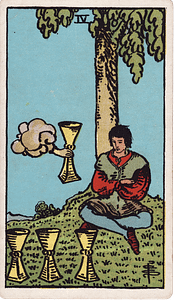
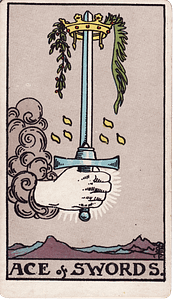
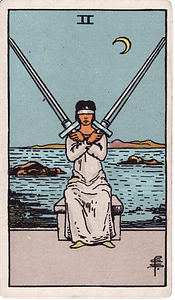
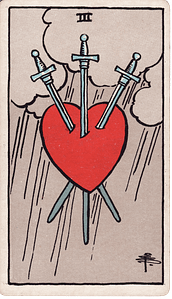
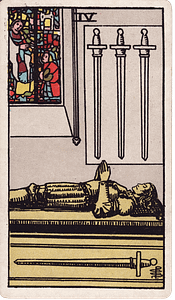
Fifty-six cards across four suits: Wands, Cups, Swords, and Pentacles.
Where the Major Arcana deals with the bigger picture, the Minor Arcana is in the detail. The specific situation you’re in right now. The feeling you can’t quite name. The decision sitting in front of you.
A reading full of Minor Arcana is often the most useful kind because it’s meeting you exactly where you are.
Tarot Symbolism
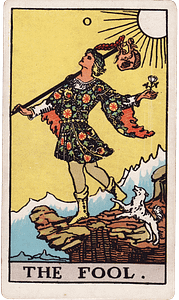
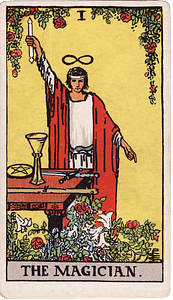
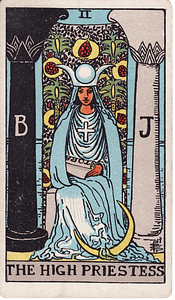
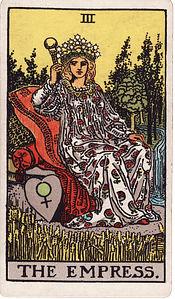
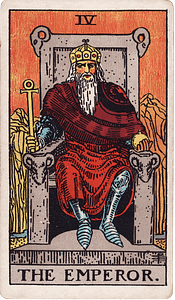
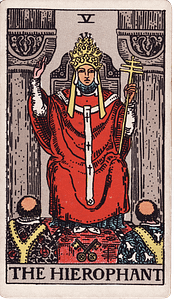
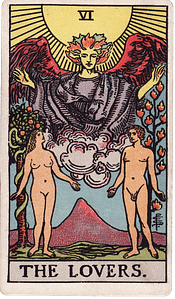
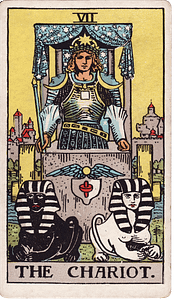
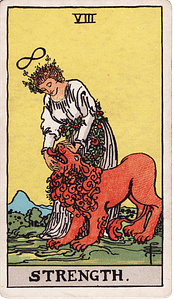
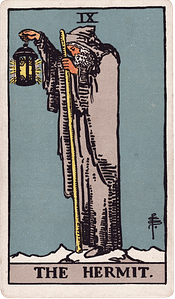
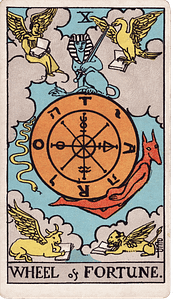
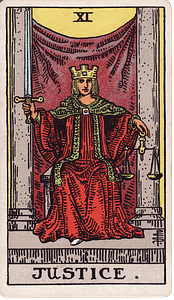
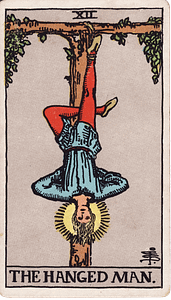
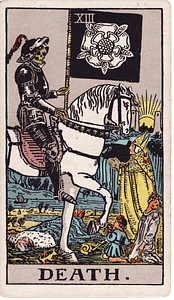
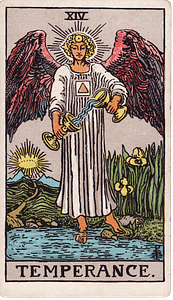
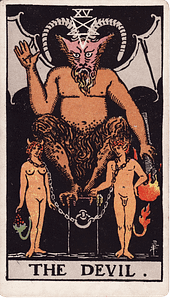
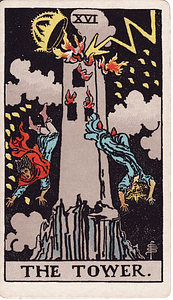
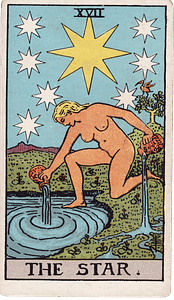
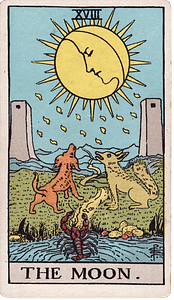
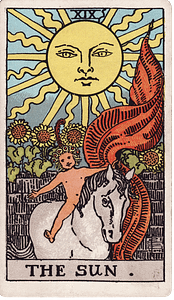
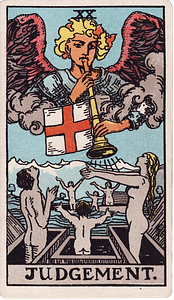
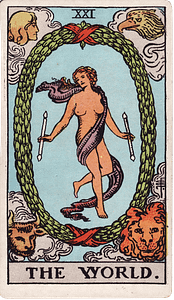
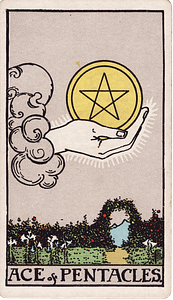
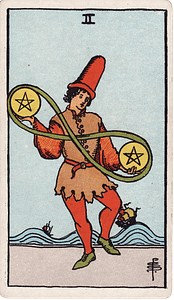
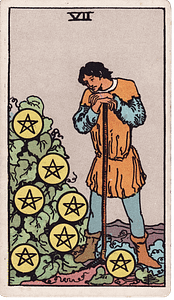
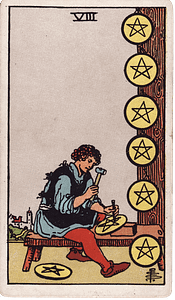
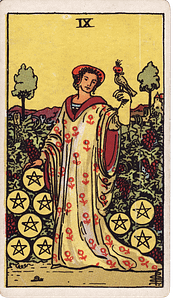
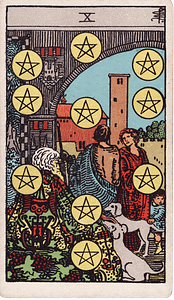
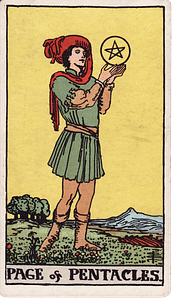
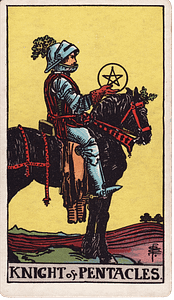
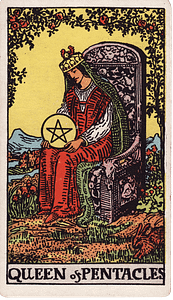
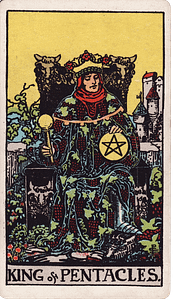
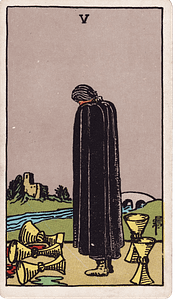
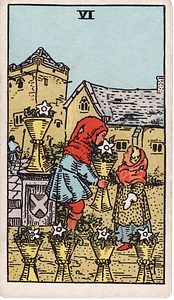
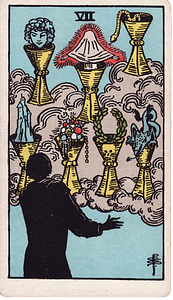
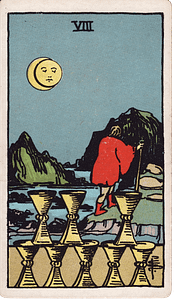
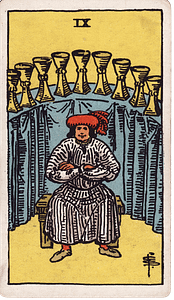
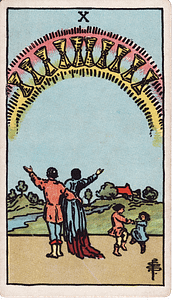
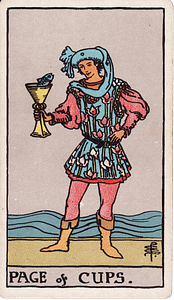
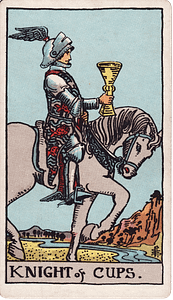
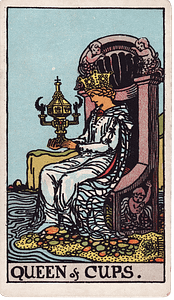
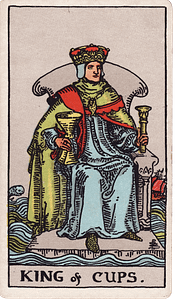
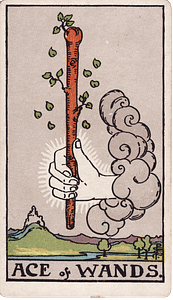
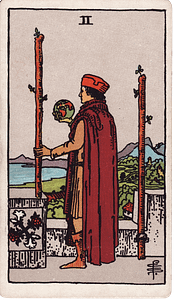
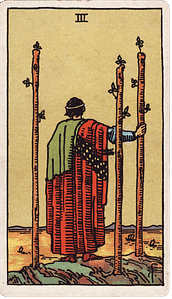
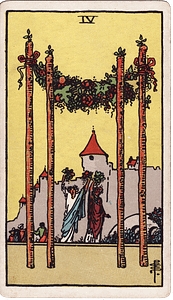
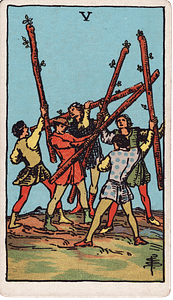
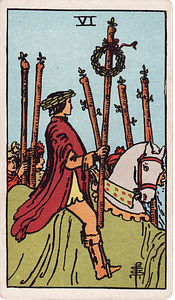
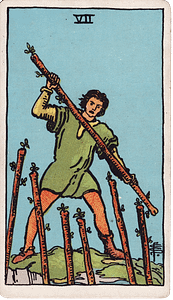
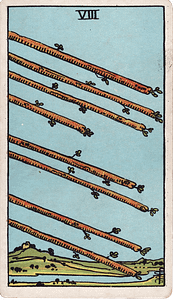
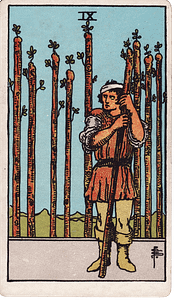
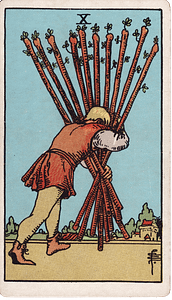
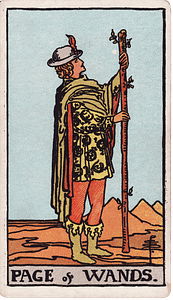
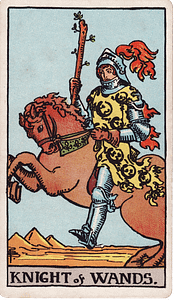
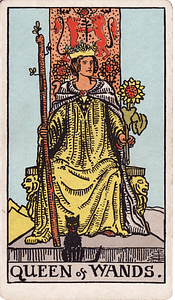
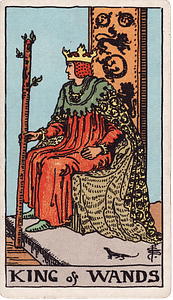
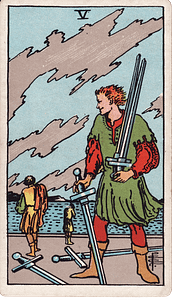
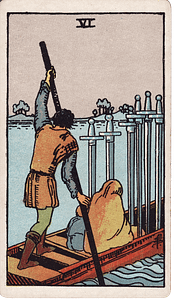
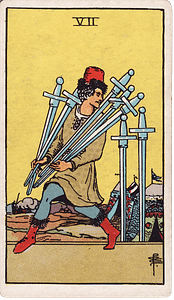
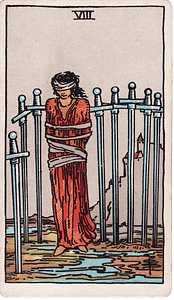
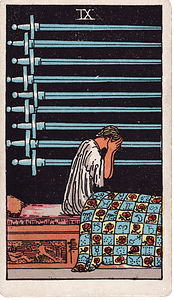
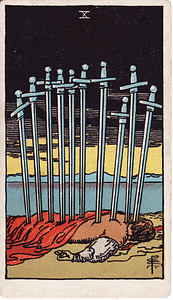
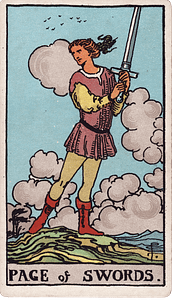
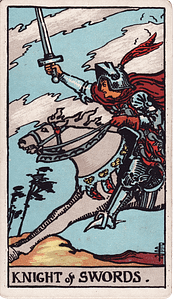
Most of what’s on these pages is rooted in the Rider-Waite-Smith deck, illustrated by Pamela Colman Smith in 1909. The majority of modern tarot decks are either directly based on this imagery or in conversation with it, which is why it’s the foundation for most tarot teaching.
The imagery matters. Colours, figures, animals, what’s happening in the background. None of it is arbitrary. In my card breakdowns I go into the symbolism where it actually adds something, because learning to read what you see in front of you is a more reliable skill than memorising definitions.
If you’re using a different deck, pay attention to what your specific deck is showing you rather than trying to map it onto imagery from a different one.
Where to start, and where to go next
There is no right order to any of this. Pick whichever one matches the thing you are stuck on, and come back for the rest when you want it. If you have never touched a deck before, What Is Tarot Reading? is the gentlest way in.
What Is Tarot Reading?
This is the honest version. I cover what tarot does, what it does not do, and why I am not going to predict your future.
Tarot Spreads
The spreads here are sorted by what you are actually asking. Pick the question, take the layout, and every position comes explained.
The Major Arcana
These are the twenty-two everybody recognises, The Fool through to The World. They carry the weight of a reading, and they are the ones people get nervous about.
The Fool’s Journey
This reads the Major Arcana as one story from beginning to end. If the majors feel like twenty-two separate things to memorise, start here instead.
The Minor Arcana
The other fifty-six cards are where most of the real detail lives. This is the everyday texture of a reading, and it is the part that gets skipped.
The Four Suits
Cups, Wands, Swords and Pentacles each have a job. Knowing the suit gets you most of the way to a meaning before you have learned a single individual card.
The Elements
Fire, water, air and earth sit underneath the suits. This is the one you want when a reading comes out heavy on one of them and you need to know what that is telling you.
Numbers in Tarot
The number on a card does its own work, Ace through to Ten. Learn what each one is doing and you can read a card you have never seen before.
The Court Cards
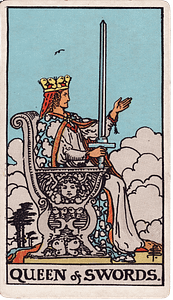
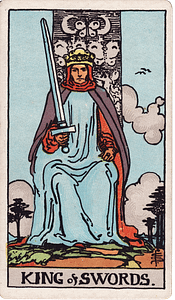
Pages, Knights, Queens and Kings stop more people dead than any other part of the deck. They are not always a person, and that is usually the bit nobody explains properly.
How I Read
This is how I actually read, and why. It is worth a look if you want to know what you are getting before you book anything.
Frequently Asked Questions
How many tarot cards are there?
A standard tarot deck has seventy-eight cards: twenty-two Major Arcana and fifty-six Minor Arcana. Most decks follow this structure, though some creators add extra cards or adjust the system. Worth checking the guidebook for your specific deck if anything looks unfamiliar.
Do all tarot decks have the same meanings?
The framework is broadly consistent, but artwork shifts how you read things. Different artists interpret the same card differently, and what you notice in the imagery will vary depending on which deck you’re using. Pay attention to what your deck is actually showing you rather than overriding it with a definition from a different one.
Should I memorise all tarot card meanings?
No. Familiarity, not memorisation. There’s a difference between knowing a card well enough that something clicks when you see it, and being able to recite a definition on demand. The first is what you’re after, and that comes from using the cards, not just reading about them.
Can I learn tarot without a guidebook?
Yes. Pull cards, look at them, notice what you see, do readings. A reference point helps early on, but your experience of the cards in actual use will teach you more than reading about them ever will.
What is the best way to start learning tarot?
Most people find it easier to start with the Major Arcana before getting into the Minor. Twenty-two cards is a manageable chunk. After that, work through the suits one at a time or go for all seventy-eight at once, whatever fits how you learn. The only thing that matters is that you’re using the cards, not just reading about them.
Frequently Asked Questions
How many tarot cards are there?
A standard tarot deck has seventy-eight cards: twenty-two Major Arcana and fifty-six Minor Arcana. Most decks follow this structure, though some creators add extra cards or adjust the system. Worth checking the guidebook for your specific deck if anything looks unfamiliar.
Do all tarot decks have the same meanings?
The framework is broadly consistent, but artwork shifts how you read things. Different artists interpret the same card differently, and what you notice in the imagery will vary depending on which deck you’re using. Pay attention to what your deck is actually showing you rather than overriding it with a definition from a different one.
Should I memorise all tarot card meanings?
No. Familiarity, not memorisation. There’s a difference between knowing a card well enough that something clicks when you see it, and being able to recite a definition on demand. The first is what you’re after, and that comes from using the cards, not just reading about them.
Can I learn tarot without a guidebook?
Yes. Pull cards, look at them, notice what you see, do readings. A reference point helps early on, but your experience of the cards in actual use will teach you more than reading about them ever will.
What is the best way to start learning tarot?
Most people find it easier to start with the Major Arcana before getting into the Minor. Twenty-two cards is a manageable chunk. After that, work through the suits one at a time or go for all seventy-eight at once, whatever fits how you learn. The only thing that matters is that you’re using the cards, not just reading about them.